Walk the Bible in Ancient Asia Minor
A 14-day spiritual pilgrimage through the lands of the early Church
•7 Churches of Revelation
• Cappadocia
• Constantinople
•Swim in the Mediterranean
• Pray, Walk, Reflect on Sacred Ground
Walk the Bible in Ancient Asia Minor
A 14-day biblical pilgrimage through the lands of the First Century and
before "denominations".
The earliest believers of Yeshua- Jesus both Jewish and gentile, were called followers of "The Way". This was the beginning of the "church".
•7 Churches of Revelation
• Cappadocia
• Constantinople
• Pray, Walk, Fellowship
• Read the Word
• Swim in the Mediterranean
• Reflect on Sacred Ground
The Details:
🗓️
Our Tour Dates for 2026
September 21 to Oct 4, 2026
Sept 21–Oct 4, 2025 • 13 Nights / 14 Days
✈️ Fly in/out of Izmir, Turkey
🌿 Hosted by Local Believers · VIP 5-Star Accommodations · Small Group Experience
Watch video 1 👇
🗓️ Our Tour Dates for 2026
13 Nights / 14 Days
September 21 to Oct 4, 2026
✈️ Fly in/out of Izmir, Turkey
🌿 Hosted by Local Believers
⭐ 5-Star Accommodations
🙏 Small Group Experience
Watch video 1 👇
for important tour info and details
This is less of a tourist trip—it’s more of a spiritual journey ~ for those who long to engage their faith on sacred ground.
Have you ever read your Bible
and been a bit confused by all the names and places so far away?
Have you ever felt close to God, but also wanted to understand the Bible better and to know Him more by reading His word?
Have you ever asked yourself....
Did I learn about the Bible at church but never really read it?
Do I deeply connect with my faith, or am I going through the motions?
Have I felt like what's the point of my walk in faith?
Do all the places in the bible just seem far away and maybe irrelevant?
Is seeing where Biblical events took place going to make me dig deeper into my faith or spark a curiosity?
Have I ever really read my Bible or just believe what I've been told is in it?
Could my walk with Yeshua (Jesus) get stronger if I stepped back in time and tried to imagine what those believers in the First Century experienced?

This is more than a tour—it's a pilgrimage, a time to pray, break bread, read the Word, and walk the Bible together in the land of the early church.
Before denominations and traditions.

Watch video 2 👇
for important tour info and details


I go to church, I pray, I say grace, but is there more?
Could I finally really understand the whole bible if I took the time?
On our Daily Pilgrimage:
We gather every day to pray, read Scripture, and break bread—often in the very locations where those first believers once stood. In spite of their daily persecution for simply following Him and having faith.
REFLECTION:
Could I handle, true, real persecution with how my faith is today?
Or would I crumble under the weight of society and "the world".
Have you ever thought....
I go to church, I pray, I say grace, but is there more?...
Could I handle true, real persecution with how my faith is today?
Or would I crumble under the weight of society and "the world".
If you have ever had these thoughts, this is an opportunity and an invitation-
to go on a Daily Pilgrimage inward.
We gather daily to pray, read Scripture, and break bread—often in the very locations where those first believers once stood.
2000 years ago, in spite of their daily persecution for simply following Him and having faith, they continued to share the gospel. This pilgrimage allows you to pause to reflect on their world and your world.
I'm busy, I have a job, I have kids, I can't just leave all my responsibilities and "my life" for 2 weeks in a far-away, strange land.
But what if this is more of an invitation...and about your relationship with Him....
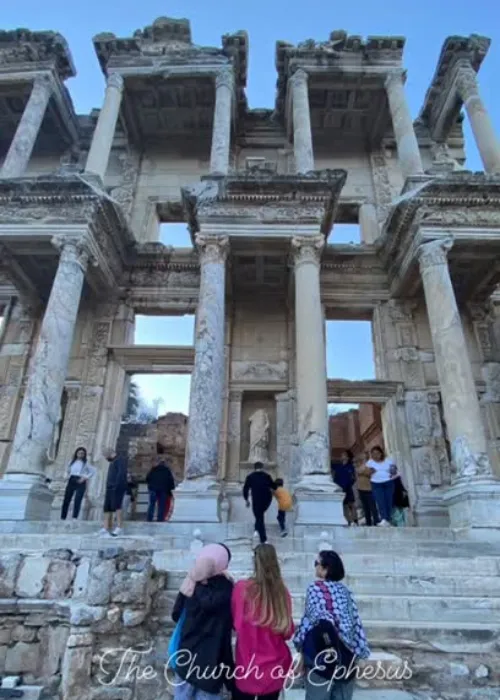
In this land, we open our Bibles to read about all the seven churches (known as assemblies) in Revelation:
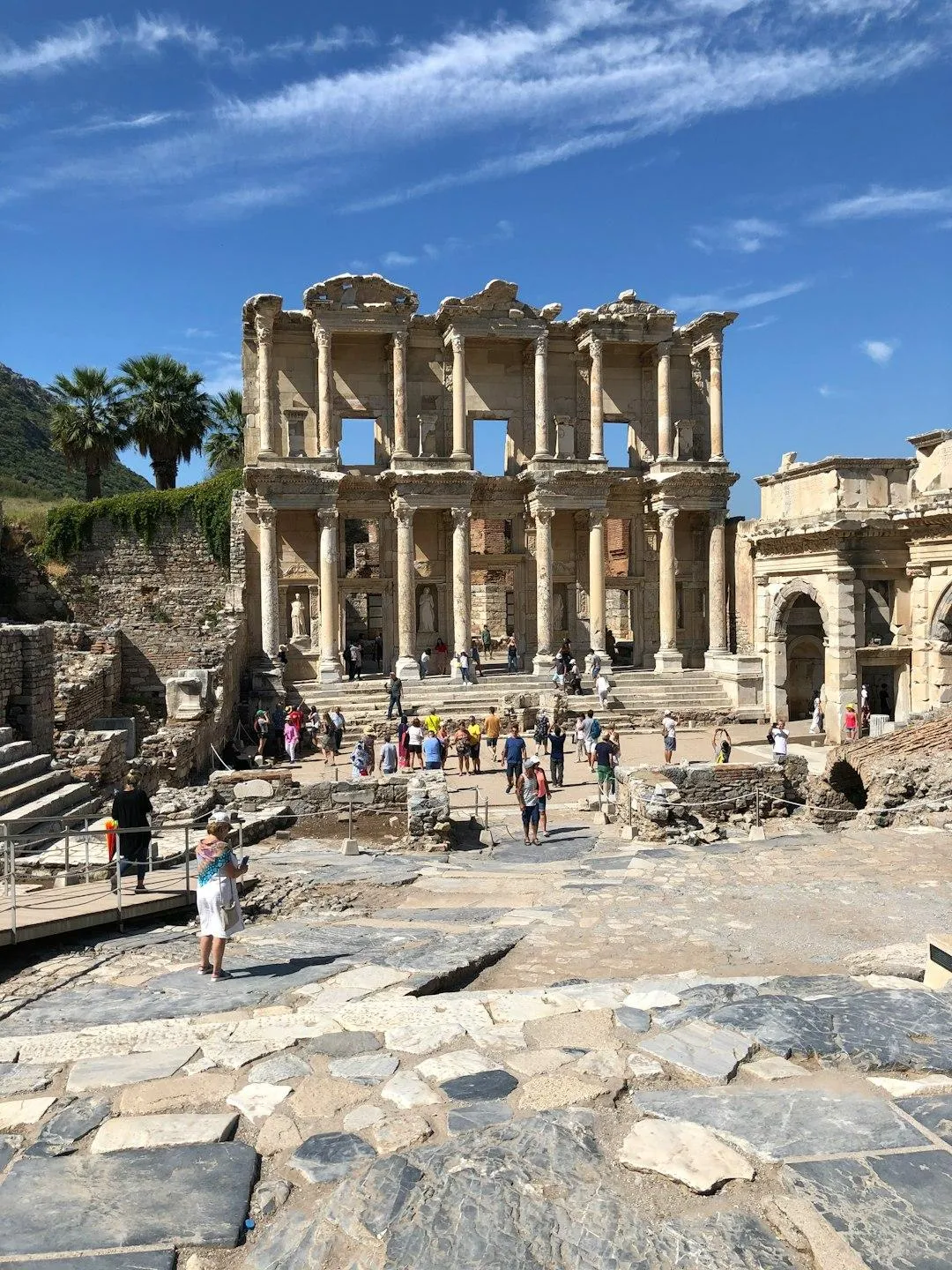
Ephesus: Acts 18:19, Acts 18:21, Acts 18:24, Acts 19:1, Acts 19:17, Acts 19:26, Acts 19:35, Acts 20:16, Acts 20:17, 1 Cor 15:32, 1 Cor 16:8, Eph 1:1, 1 Tim 1:3, 2 Tim 1:18, 2 Tim 4:12, Rev 1:11, and Rev 2:1 -mentioned 17 times.
Smyrna: In Revelation, chapter 2, the 2nd letter to the 7 churches was written to Smyrna. The letter is a positive one, and promises the crown of life to the church of Smyrna if they remain faithful until death.
Today, the modern city of Izmir stands on the site
Pergamum: is only mentioned twice in the New Testament (Revelation 1:11 and 2:12-13), but was one of the most important cities of the Greek east under Roman rule
Thyatira: Thyatira was a city in Asia Minor (modern Turkey) on the Lycus River. While in Philippi, Paul and his companions were invited to stay at the house of Lydia (after she and her household were baptized). Lydia was a dealer of purple cloth from the city of Thyatira (Acts 16:12-15)
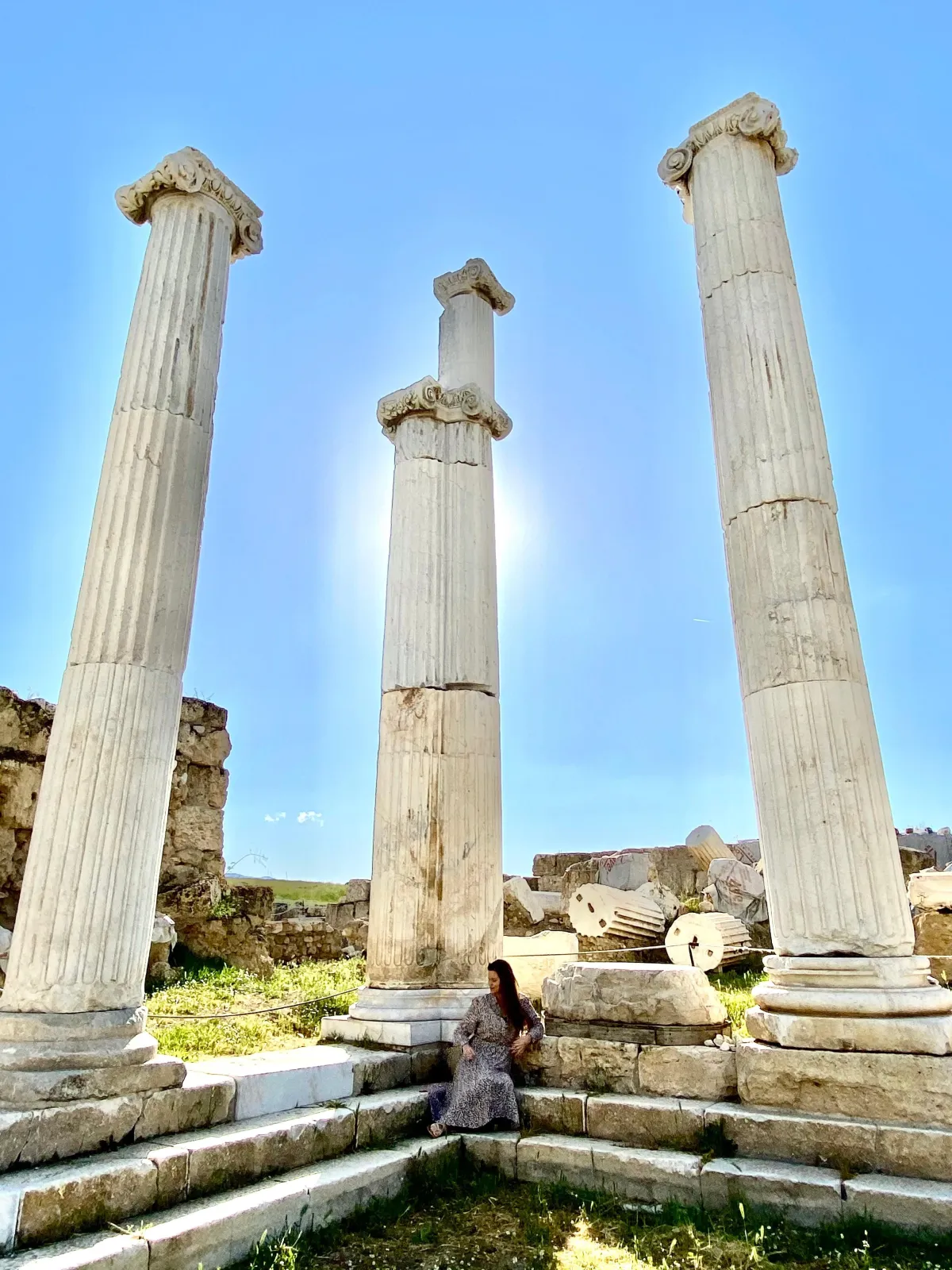
Sardis: Rev 1:11, Rev 3:1 and Rev 3:4
In 133 B.C., Sardis came under Roman rule and was distinguished as the principal city of a judicial district that included twenty-seven or more Lydian and Phrygian settlements. By the end of the first century B.C., it had become an important center of Christianity and home to a significant Jewish community
Philadelphia: Rev 1:11 and Rev 3:7
This city was the youngest of the seven churches. It was situated where the borders of Mysia, Lydia, and Phrygia meet together.
Laodicea: is mentioned three times in the letter to the Colossians (Col 2:1, Col 4:13, and Col 4:15)
The Colossians references are relatively neutral, but Revelation portrays the city quite negatively
Each church area we visit slowly and reverently, with time to read Scripture and reflect in place.
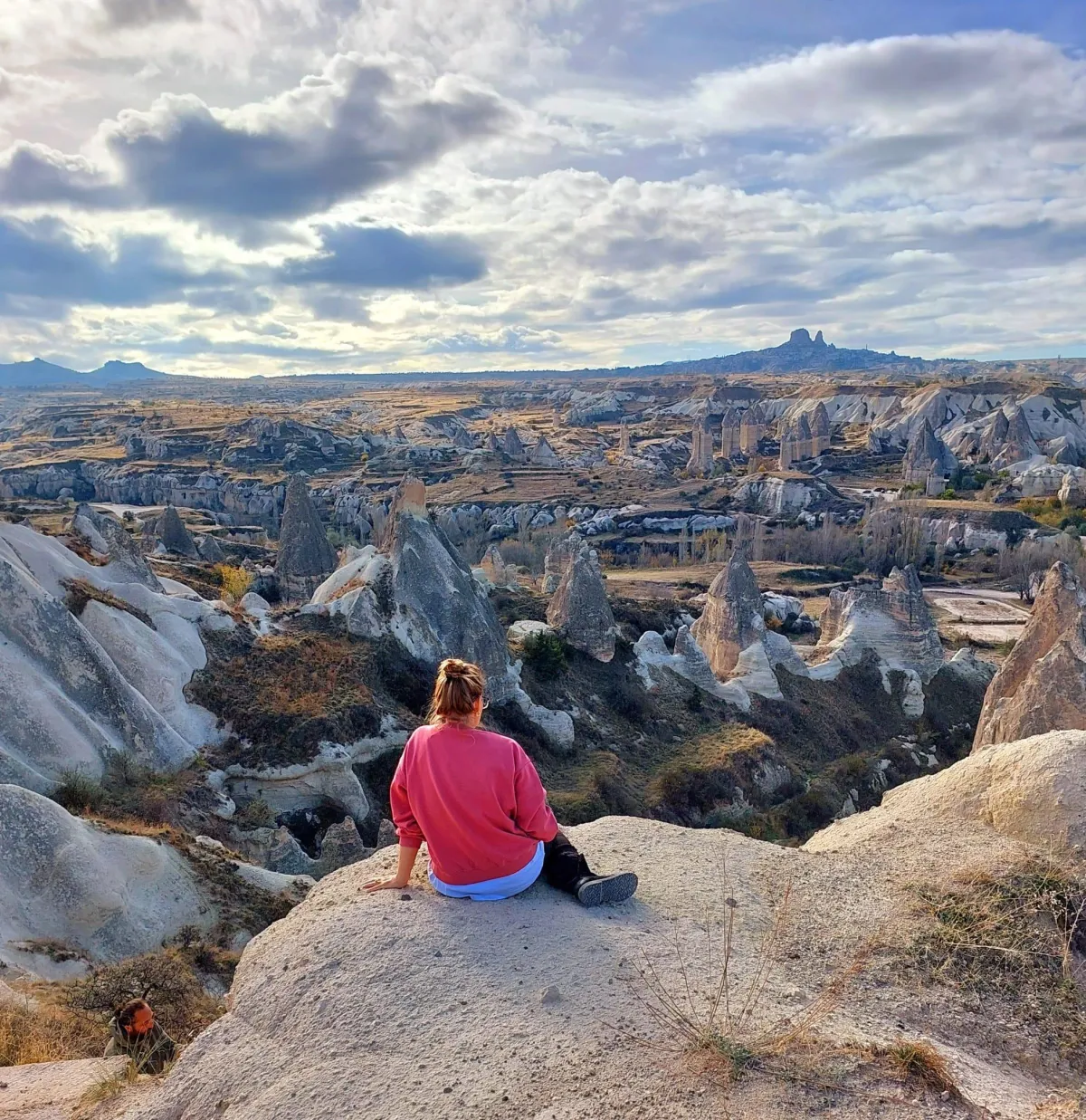
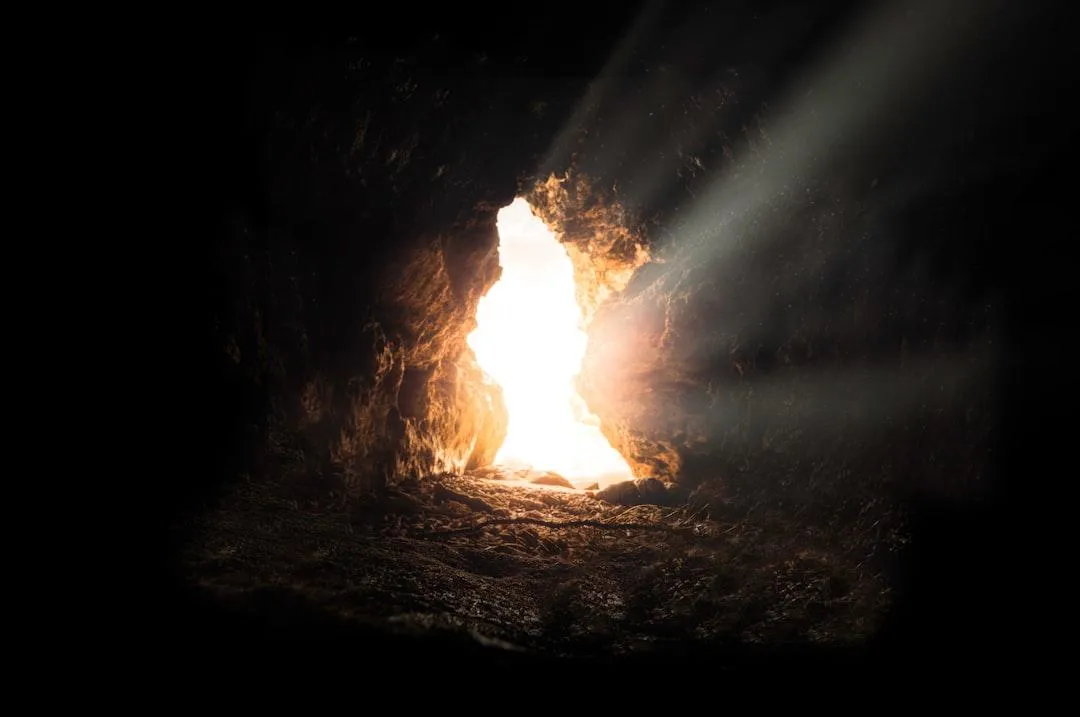
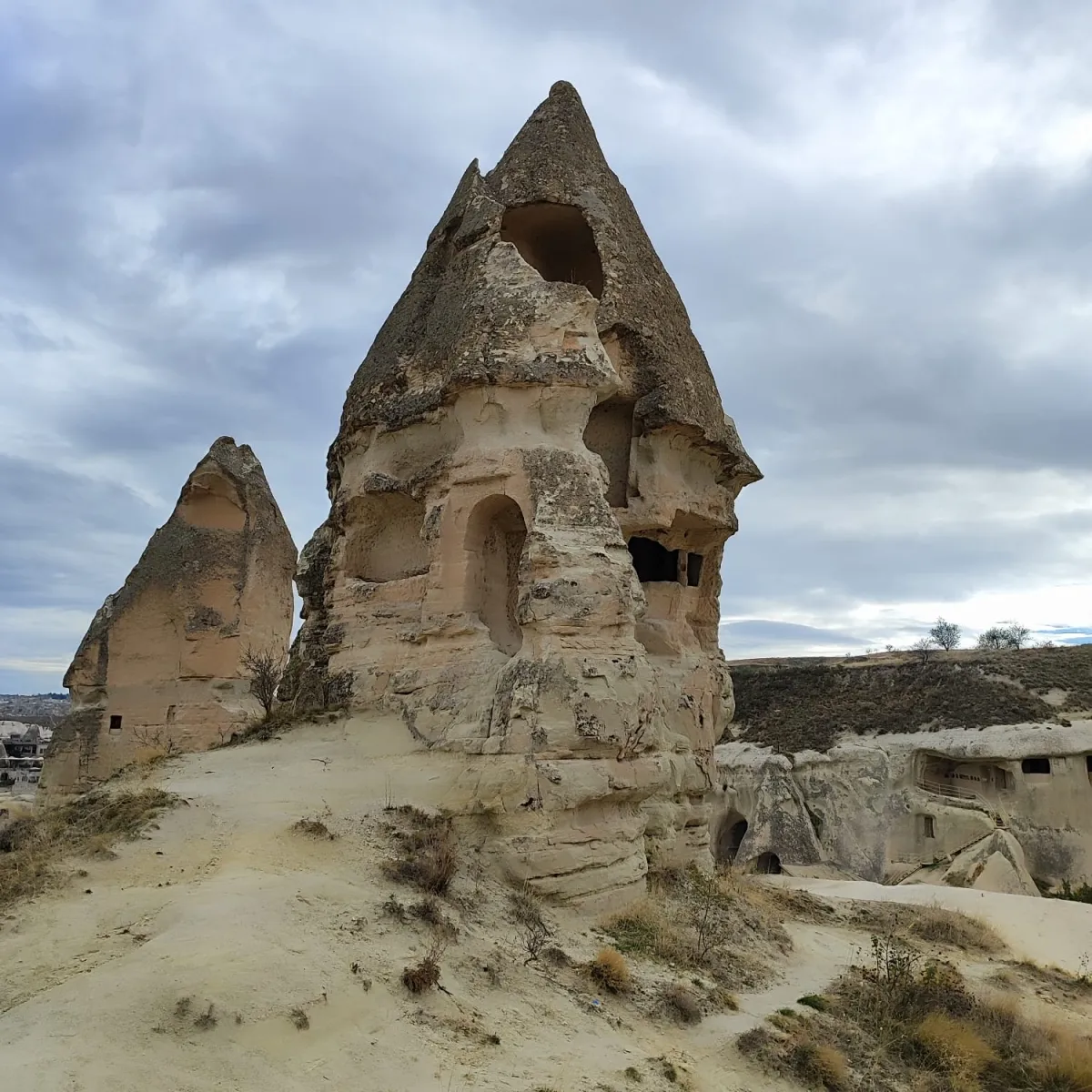
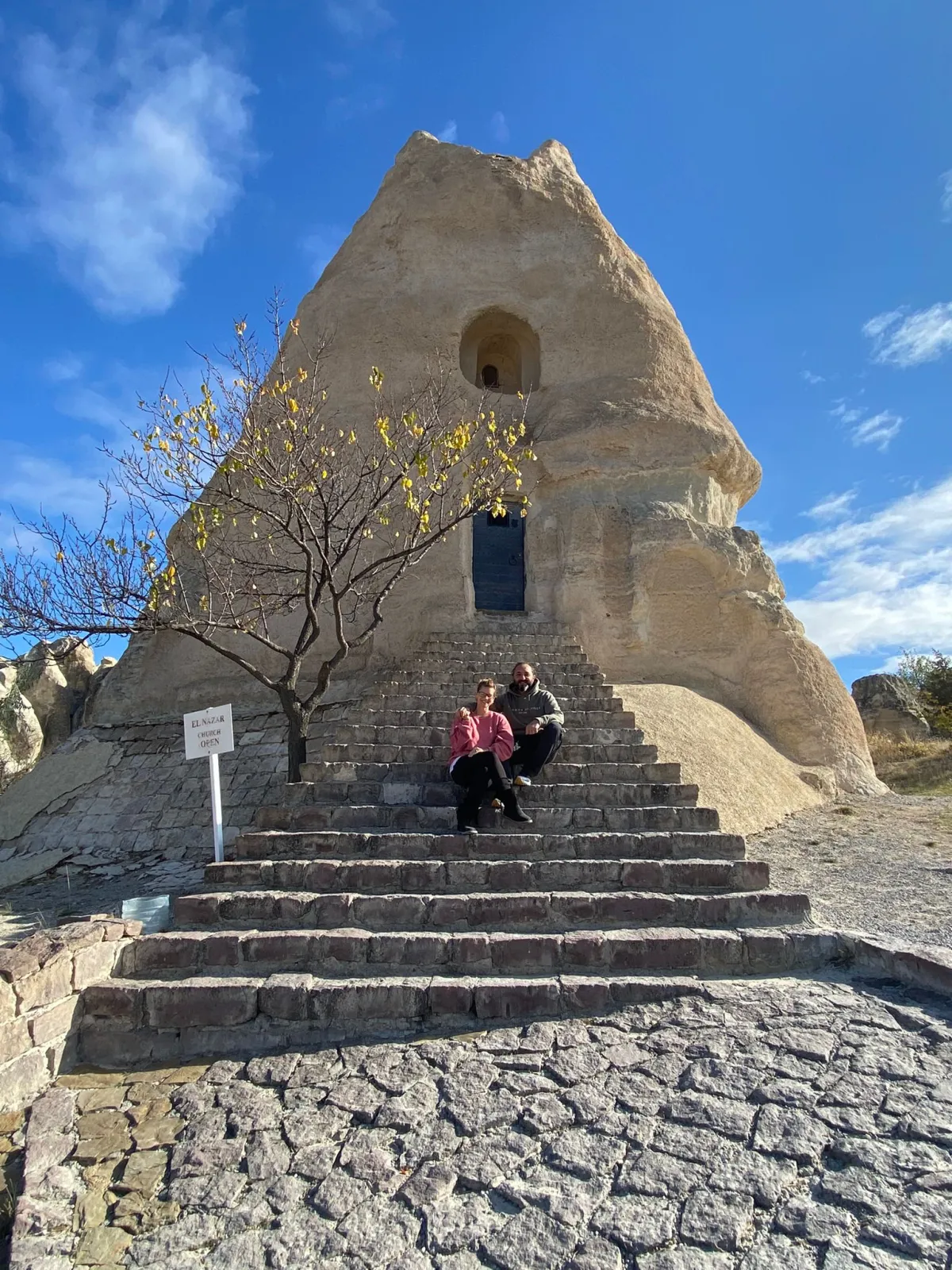
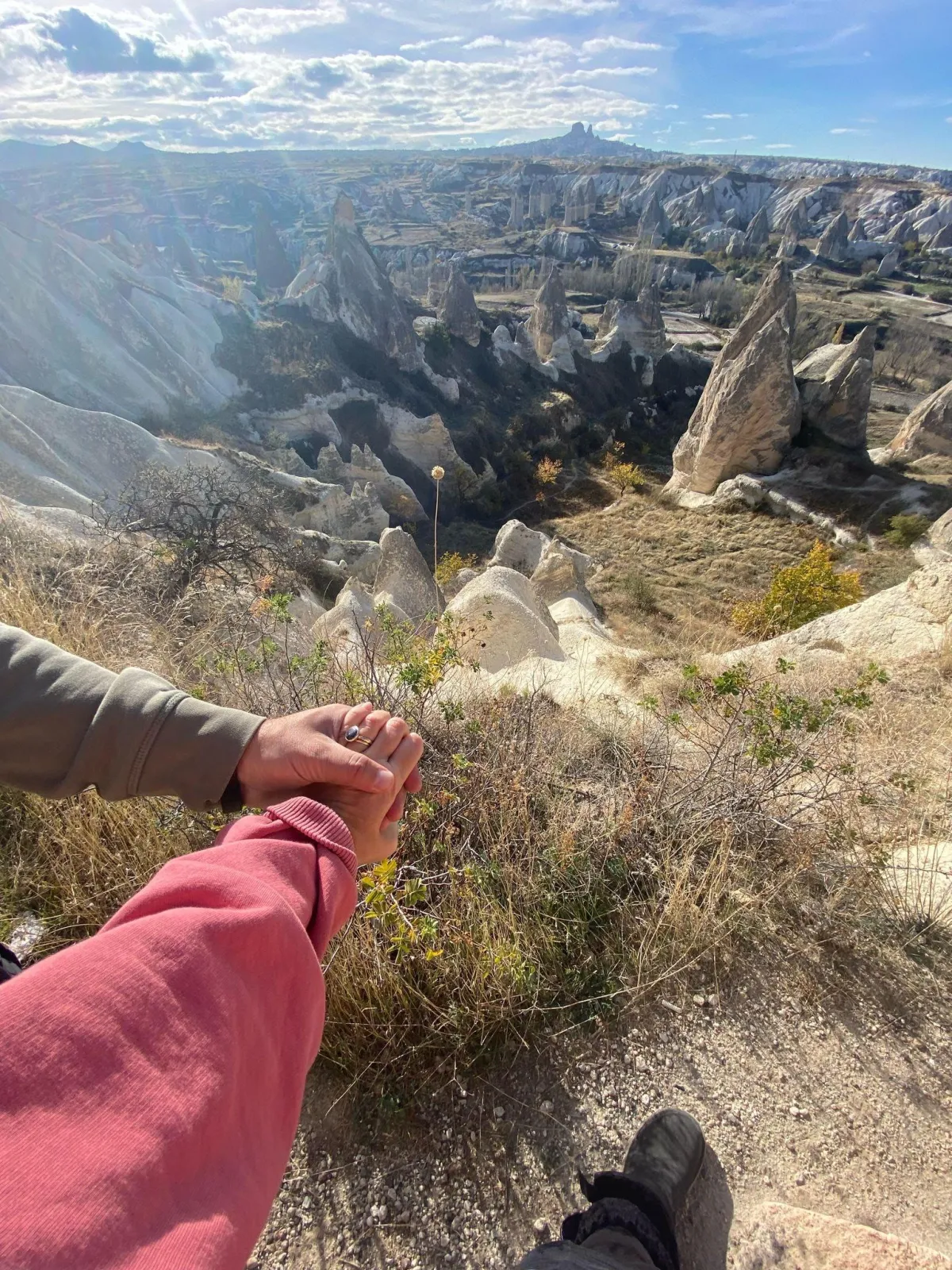
We will also fly to the inland part of Turkey to Cappadocia. We will walk through the ancient caves, some of which were homes or churches of persecuted 1st- and 2nd-century believers.
Cappadocia: Acts 2:9 mentions the people of Cappadocia, among others, being present at the Day of Pentecost, where the gift of the Holy Spirit was granted to the disciples of Jesus
Constantinople (Modern-day Istanbul):
Much later in the 4th Century and when denominations were being created...
The founder of the Byzantine Empire and its first emperor, Constantine the Great, moved the capital of the Roman Empire to the city of Byzantium in 330 CE, and renamed it Constantinople. Constantine the Great also legalized Christianity, which had previously been persecuted in the Roman Empire.
Discover the Christian heritage of the former Byzantine capital and early church epicenter.

I'm busy, I have a job, I have kids.
I can't just leave all my responsibilities and "my life" for 2 weeks and travel to a strange land far away....
This invitation may not be your plans but His plans....
In this land, we open our Bibles to read about all seven Churches in Revelation:
Ephesus: Acts 18:19, Acts 18:21, Acts 18:24, Acts 19:1, Acts 19:17, Acts 19:26, Acts 19:35, Acts 20:16, Acts 20:17, 1 Cor 15:32, 1 Cor 16:8, Eph 1:1, 1 Tim 1:3, 2 Tim 1:18, 2 Tim 4:12, Rev 1:11, and Rev 2:1 -mentioned 17 times.
Smyrna: In Revelation, chapter 2, the 2nd letter to the 7 churches was written to Smyrna. The letter is a positive one, and promises the crown of life to the church of Smyrna if they remain faithful until death.
Today, the modern city of Izmir stands on the site
Pergamum: is only mentioned twice in the New Testament (Revelation 1:11 and 2:12-13), but was one of the most important cities of the Greek east under Roman rule
Thyatira: Thyatira was a city in Asia Minor (modern Turkey) on the Lycus River. While in Philippi, Paul and his companions were invited to stay at the house of Lydia (after she and her household were baptized). Lydia was a dealer of purple cloth from the city of Thyatira (Acts 16:12-15)
Sardis: Rev 1:11, Rev 3:1 and Rev 3:4
In 133 B.C., Sardis came under Roman rule and was distinguished as the principal city of a judicial district that included twenty-seven or more Lydian and Phrygian settlements. By the end of the first century B.C., it had become an important center of Christianity and home to a significant Jewish community
Philadelphia: Rev 1:11 and Rev 3:7
This city was the youngest of the seven churches. It was situated where the borders of Mysia, Lydia, and Phrygia meet together.
Laodicea: is mentioned three times in the letter to the Colossians (Col 2:1, Col 4:13, and Col 4:15)
The Colossians references are relatively neutral, but Revelation portrays the city quite negatively
Each visited slowly and reverently, with time to read Scripture and reflect in place.
We will also fly inland to walk through the ancient cave homes of persecuted 1st- and 2nd-century believers.
Cappadocia: Acts 2:9 mentions the people of Cappadocia, among others, being present at the Day of Pentecost, where the gift of the Holy Spirit was granted to the disciples of Jesus
Constantinople (Modern-day Istanbul):
Much later in the 4th Century and when denominations were being created...
The founder of the Byzantine Empire and its first emperor, Constantine the Great, moved the capital of the Roman Empire to the city of Byzantium in 330 CE, and renamed it Constantinople. Constantine the Great also legalized Christianity, which had previously been persecuted in the Roman Empire.
Discover the Christian heritage of the former Byzantine capital and early church epicenter.
Gain a deeper understanding of who Yeshua Jesus is and his ministry on earth.
A Jewish man, the Messiah, from Nazareth, from the line of Abraham.
📖 Walk Where the Early Church Walked
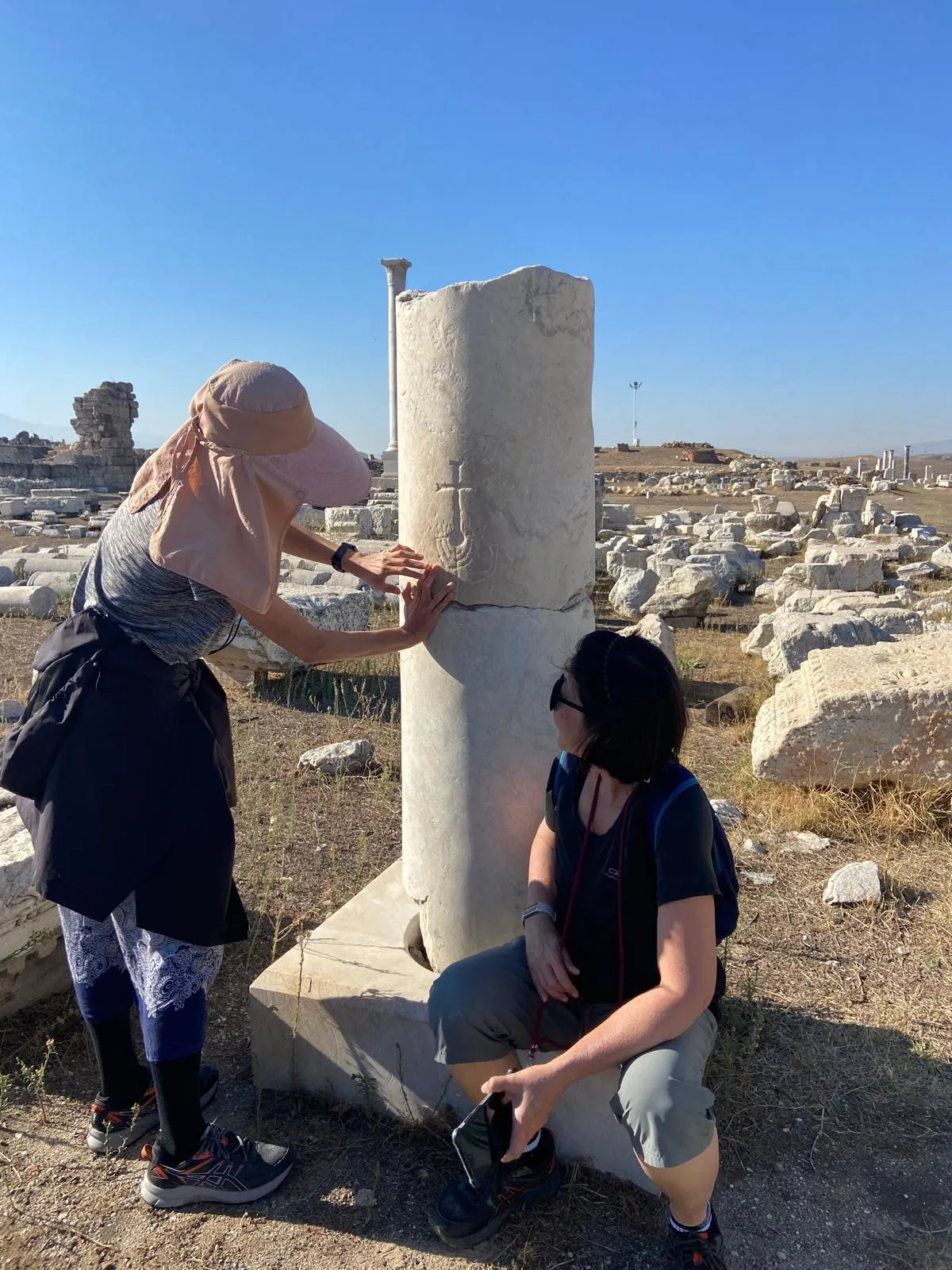
Join us on an extraordinary journey through ancient Anatolia, the very lands where the Apostle Paul, John the Revelator, and the first-century believers lived, preached, and persevered.
As your local hosts and fellow believers in Yeshua HaMashiach (Jesus the Messiah), we offer a deeply faith-filled experience rooted in Scripture, reverence, and renewal.
This pilgrimage invites you to step back in time, 2000 years ago, to the first century.
Where both Jewish and Gentile believers in Yeshua Jesus learned of the gospel, shared the gospel, prayed together, and layed the foundation.
Gain a deeper understanding of who Yeshus Jesus is and his ministry on earth. A Jewish man, the messiah, from Nazareth, from the line of Abraham.
📖 Walk Where the Early Church Walked
Join us on an extraordinary journey through ancient Anatolia, the very lands where the Apostle Paul, John the Revelator, and the first-century believers lived, preached, and persevered.
As your local hosts and fellow believers in [in Hebrew] Yeshua HaMashiach (Jesus the Messiah), we offer a deeply faith-filled experience rooted in Scripture, reverence, and renewal.
This is not a tourist trip—it’s a spiritual journey for those who long to engage their faith on sacred ground.

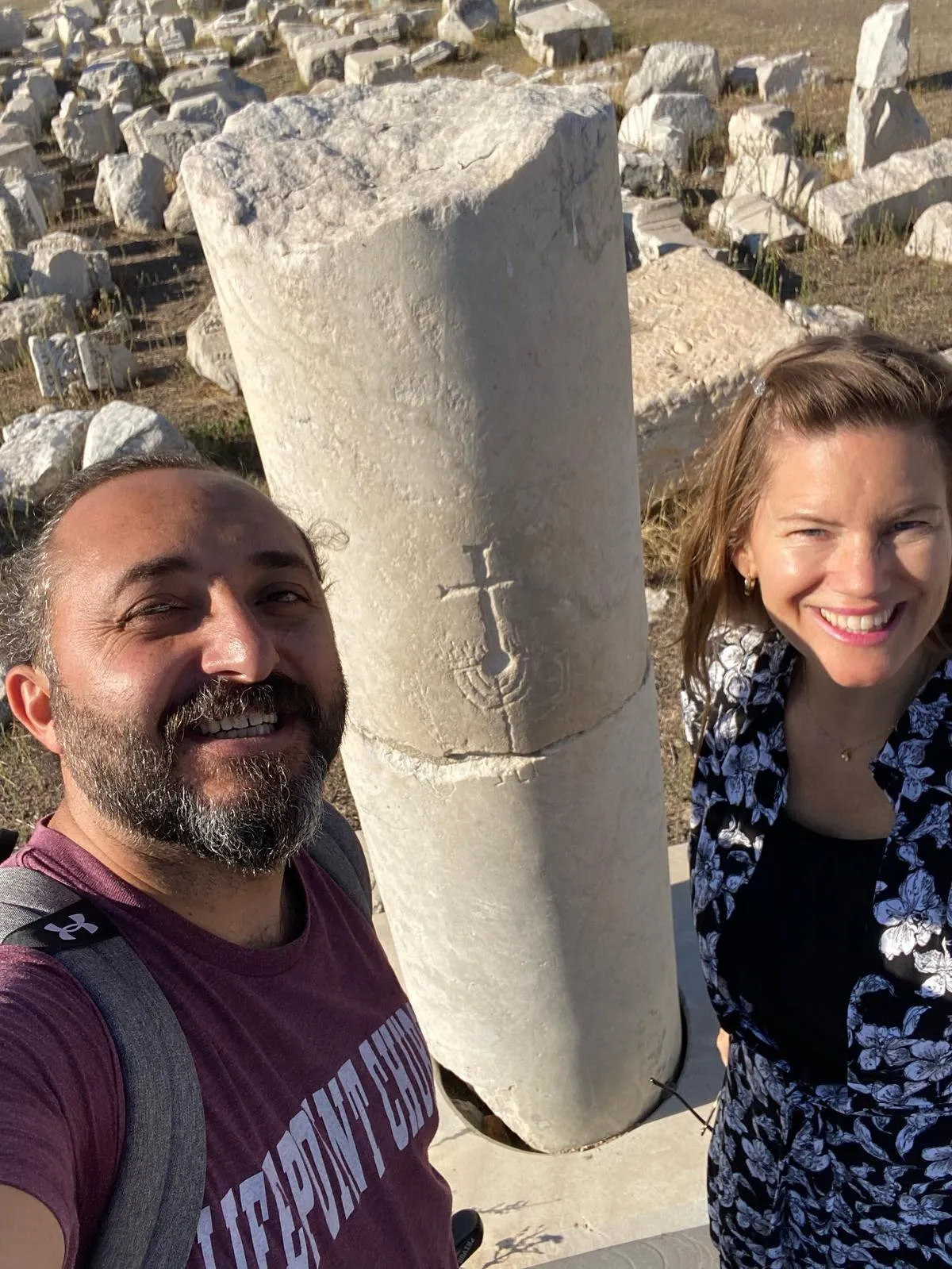
"One does not need to walk in these lands to have faith, but something happened to me when I did"
- Kara
Storytime 📖
"The Bible became real to me. I saw things and could now put pieces together. I had "heard Bible stories," but now I was looking at the land where they actually happened.
My curiosity and excitement to Learn, Know, See & Touch became so vivid that my "childlike faith" exploded, almost by accident!
What had seemed to me like a bunch of places far away, a bunch of names, and a bunch of stories ... now came to life for me.
My God, Adonai, the God of the Bible and His son Yeshua, the Savior Messiah- made sense to me through the Holy Spirit.
My childlike faith unlocked💛
My heart opened up to His Word and how His story invites us in to Join Him in what He is working on through us".
-Kara
Watch video 3 👇
for important tour info and details
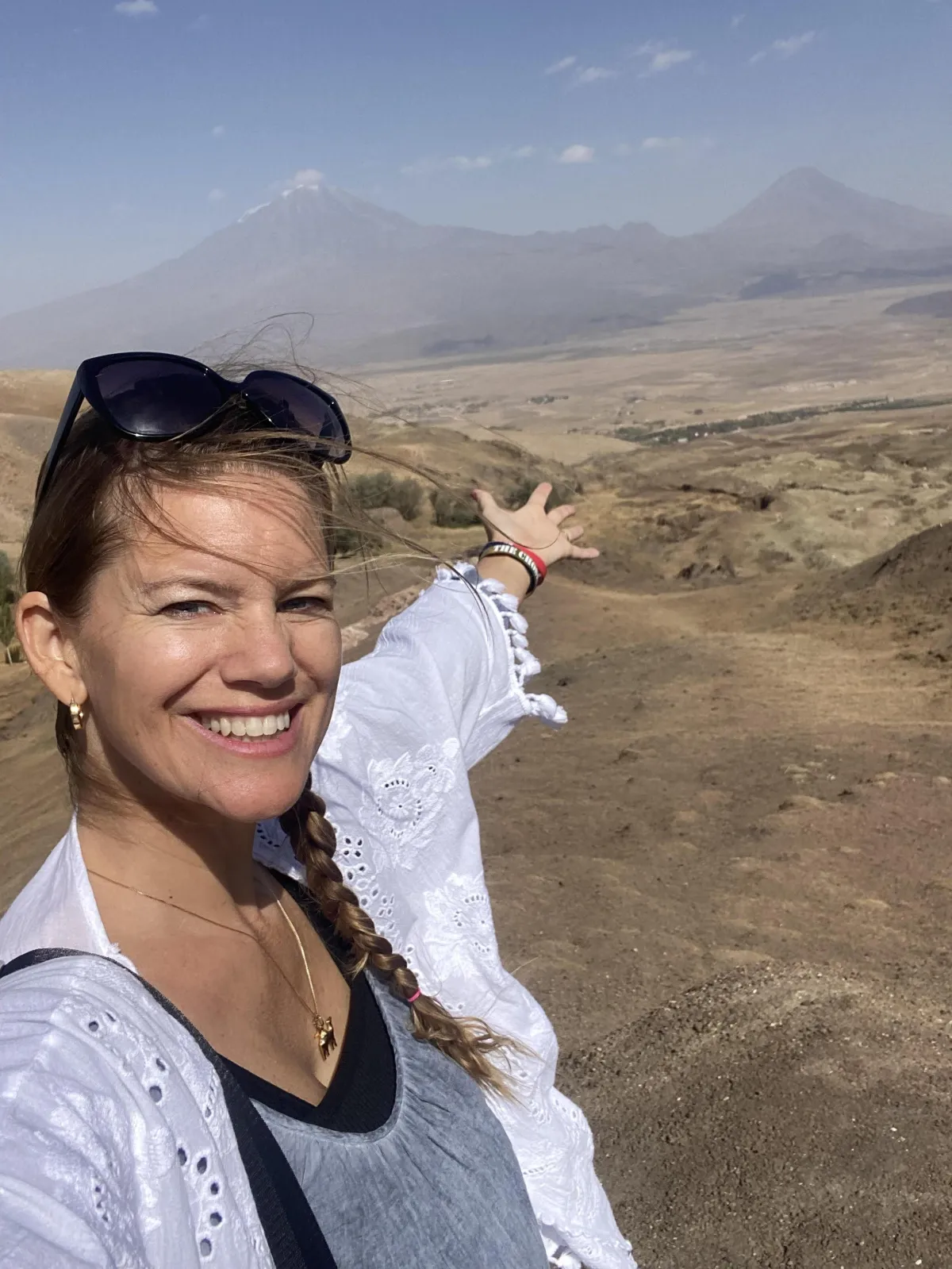
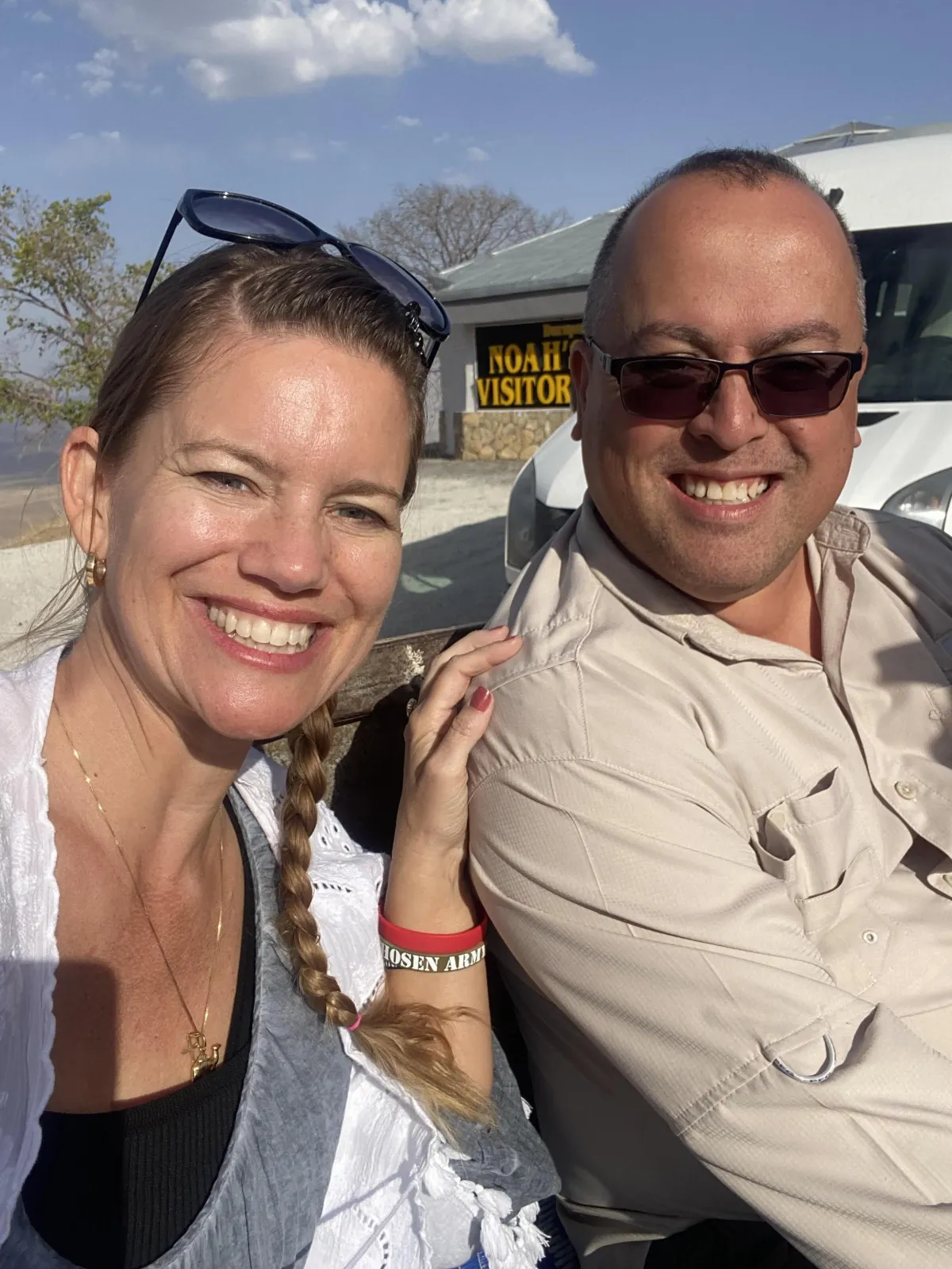
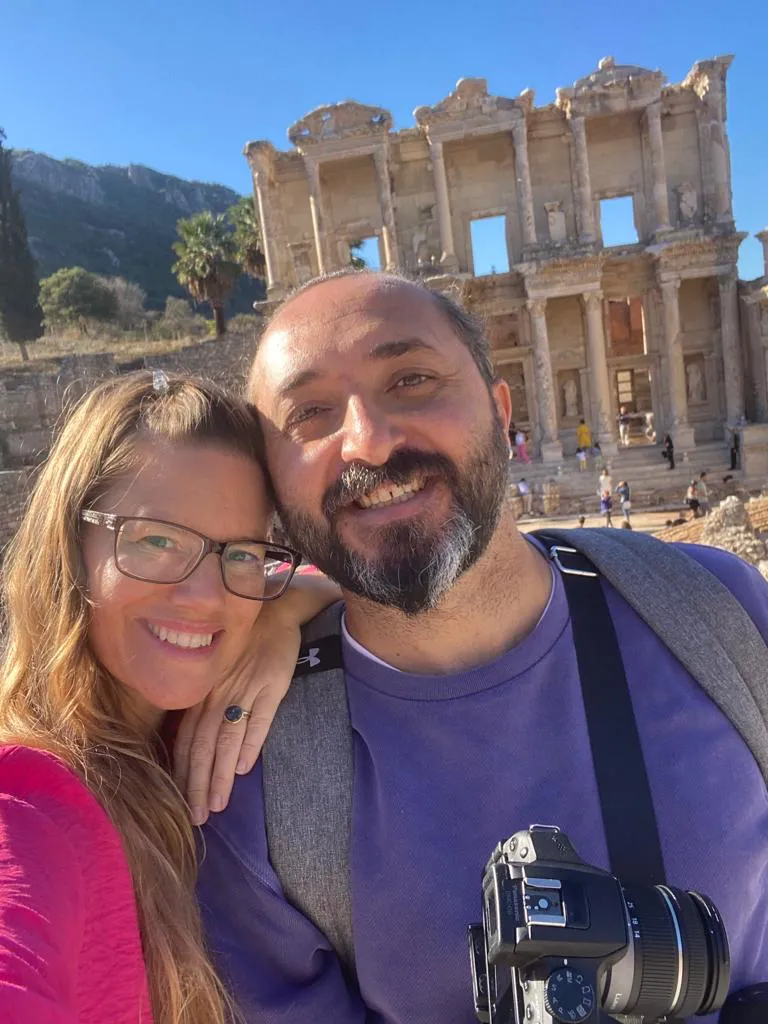
Meet Your Local hosts~ kara & hasan

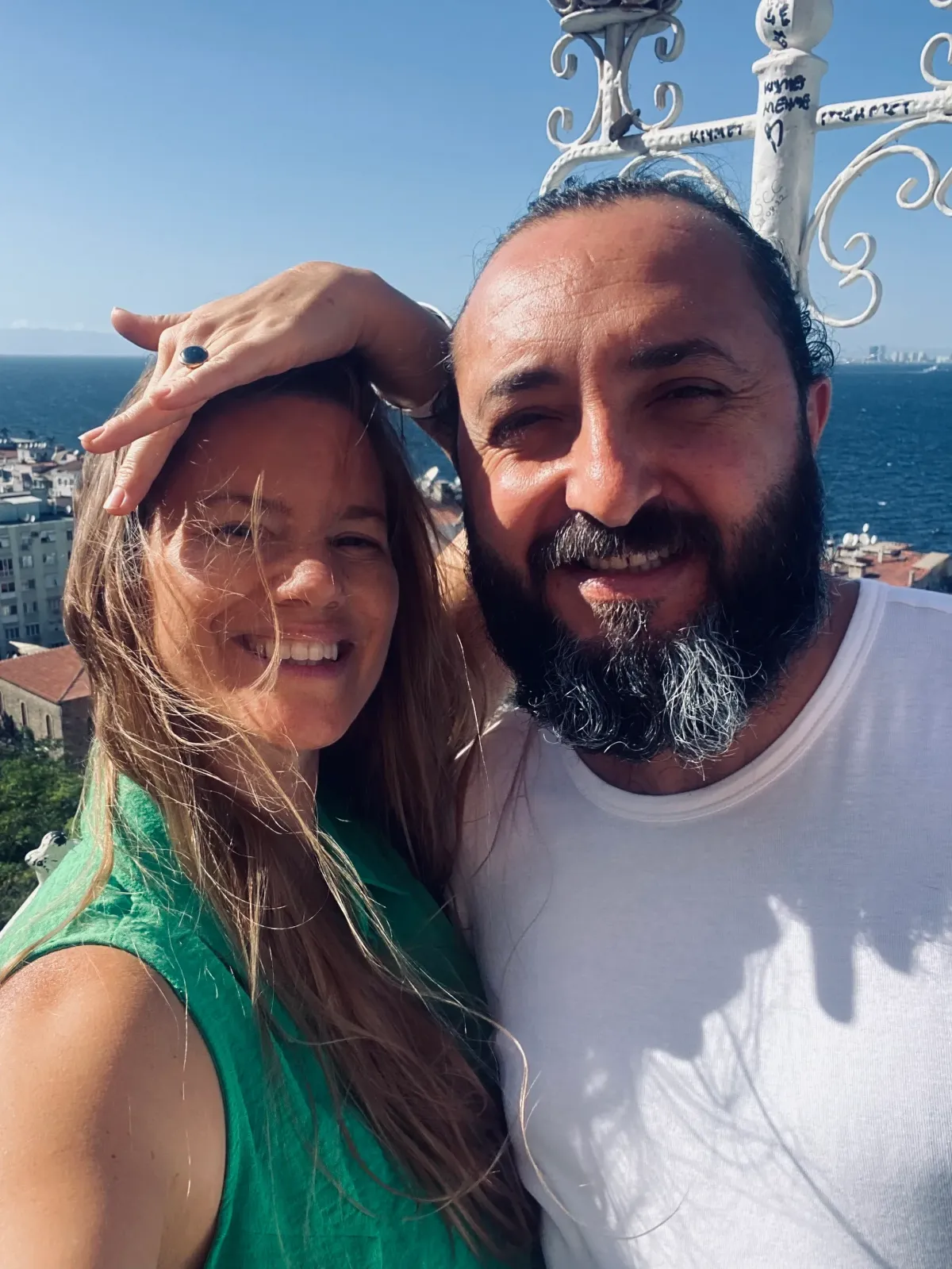
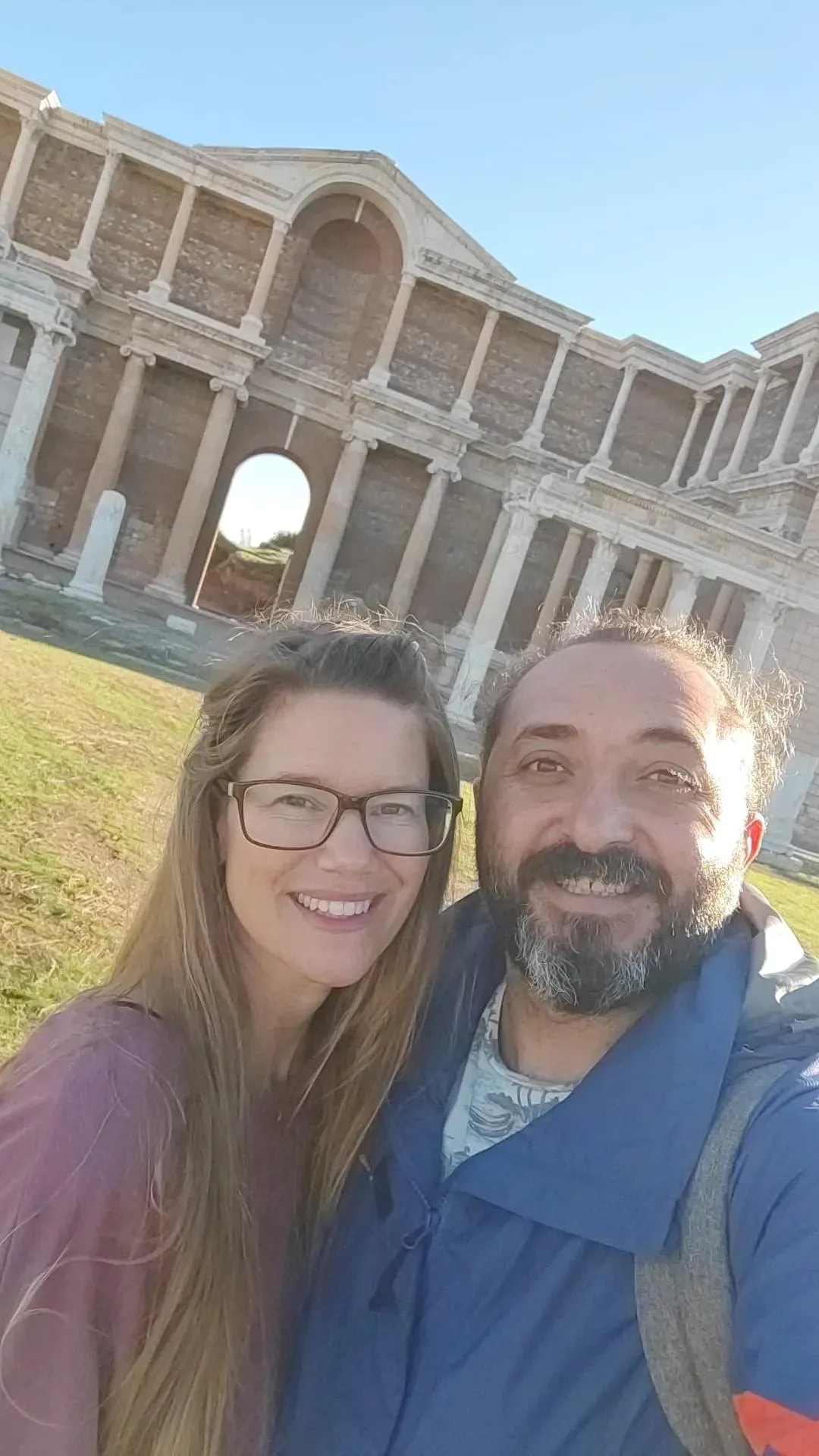
We are an international couple from two countries, two nationalities, two languages and one Holy Spirit between us.
The Lord brought us together and we share fellowship with other believers who want to come Walk The Bible with us.
Kara moved to Istanbul in June 2020 during a chaotic period for the planet.
She fell in love with the city of Istanbul immediately.
After getting her first year of legal residence, she applied for the second year. During this year she rented a car and drove all over to experience more. She fell more in love but with the "Anatolian culture".
The land is geographically called Asia Minor. The land has been called Anatolia for thousands of years. Only, 100 years ago did the name change to "Turkey" as a nation.
Kara feels it's important to make this distinction of ancient land, and modern nationality.
She had an encounter with the Holy Spirit in December 2015, after having been in the "new-age" movement for 2 decades, and became on fire for the Lord.
Hasan was born and raised in the nation of Turkey and is of Anatolian heritage. His native tongue is Turkish and he is working on his English (as his second language) and Biblical Hebrew. He has worked in the Turkish textile business for 2 decades and loves to serve the Lord through many activities at church including leading the youth at summer camp. He came to know Yeshua Jesus over 20 years ago, through the Holy Spirit.
They married and began to offer "tours" as local hosts.
The rest.... is history.
1 john 2:15
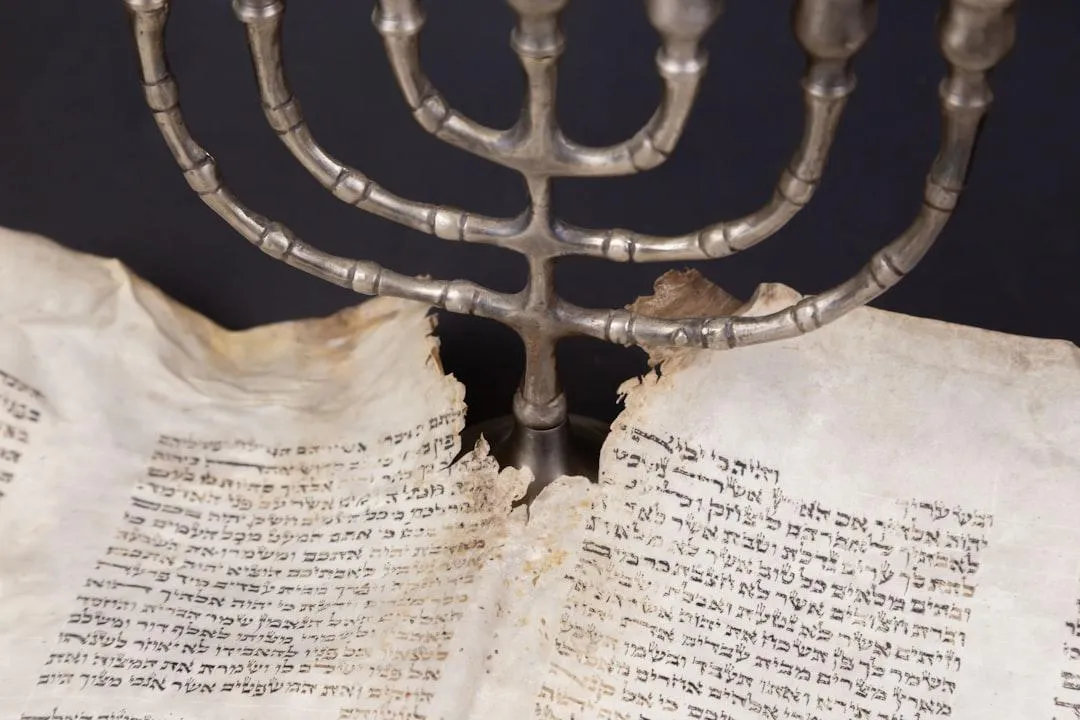
Matthew 5:16
1 John 2:15
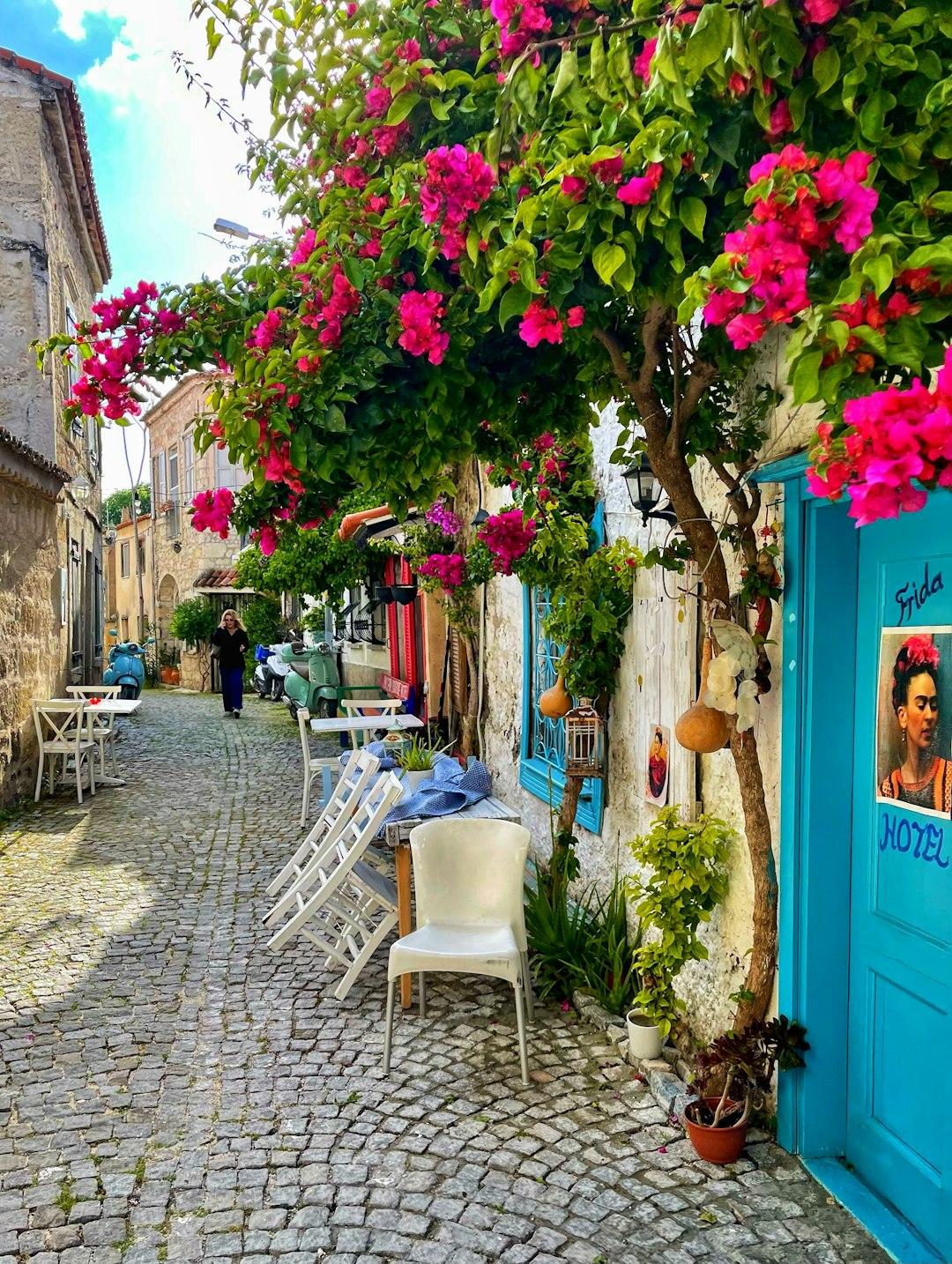
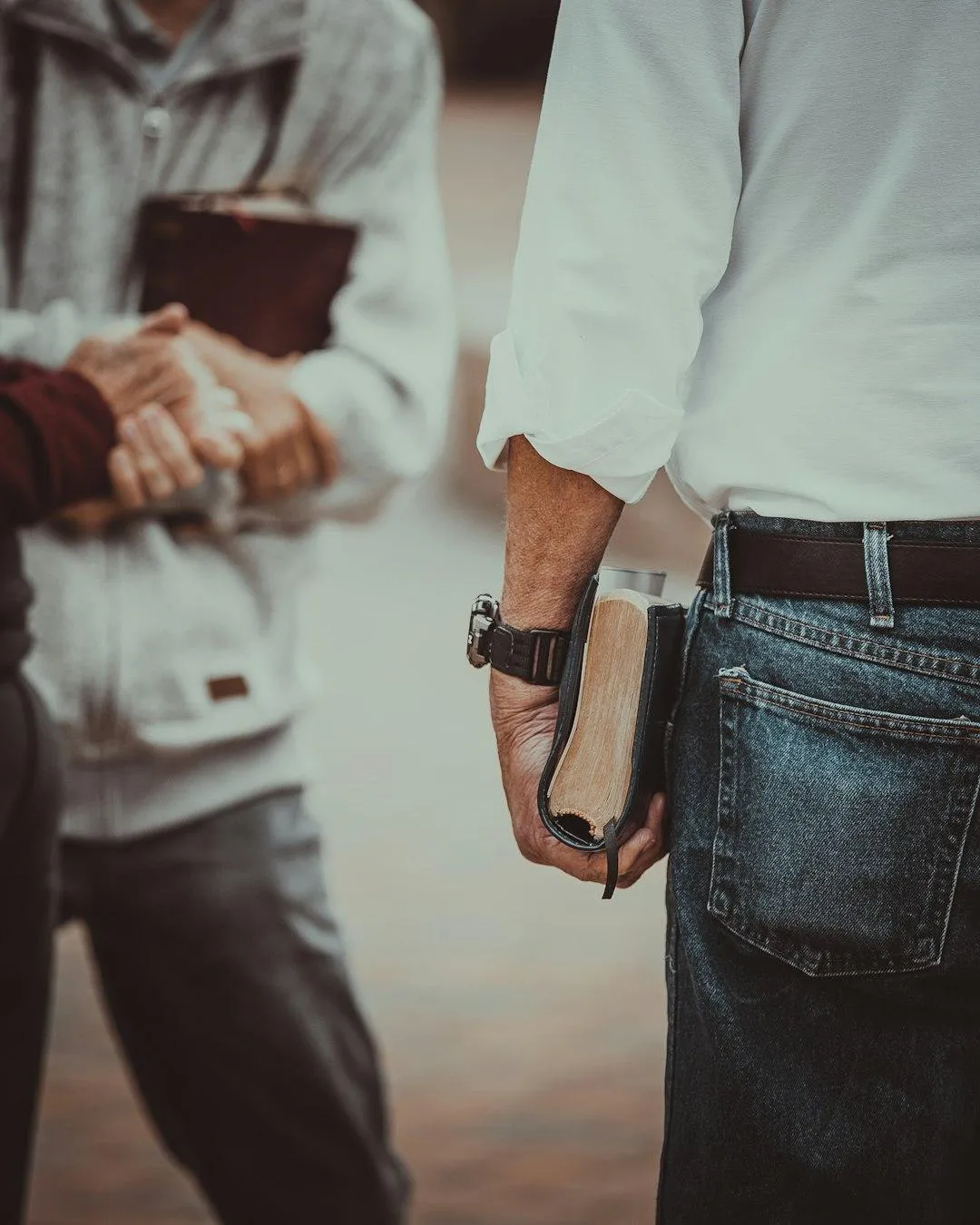
Hosted by believers who live locally—
we are your guides, friends, and prayer partners.
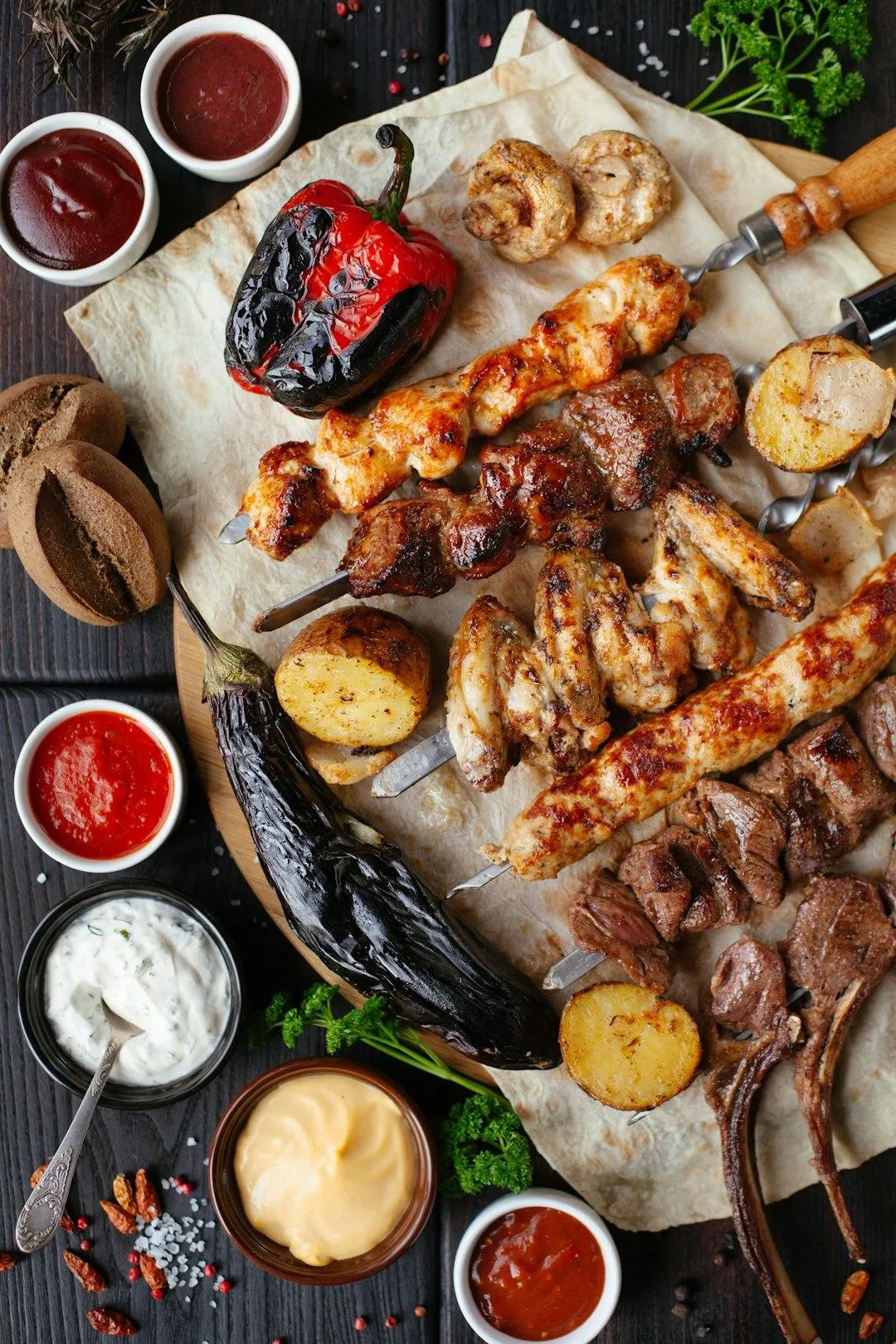
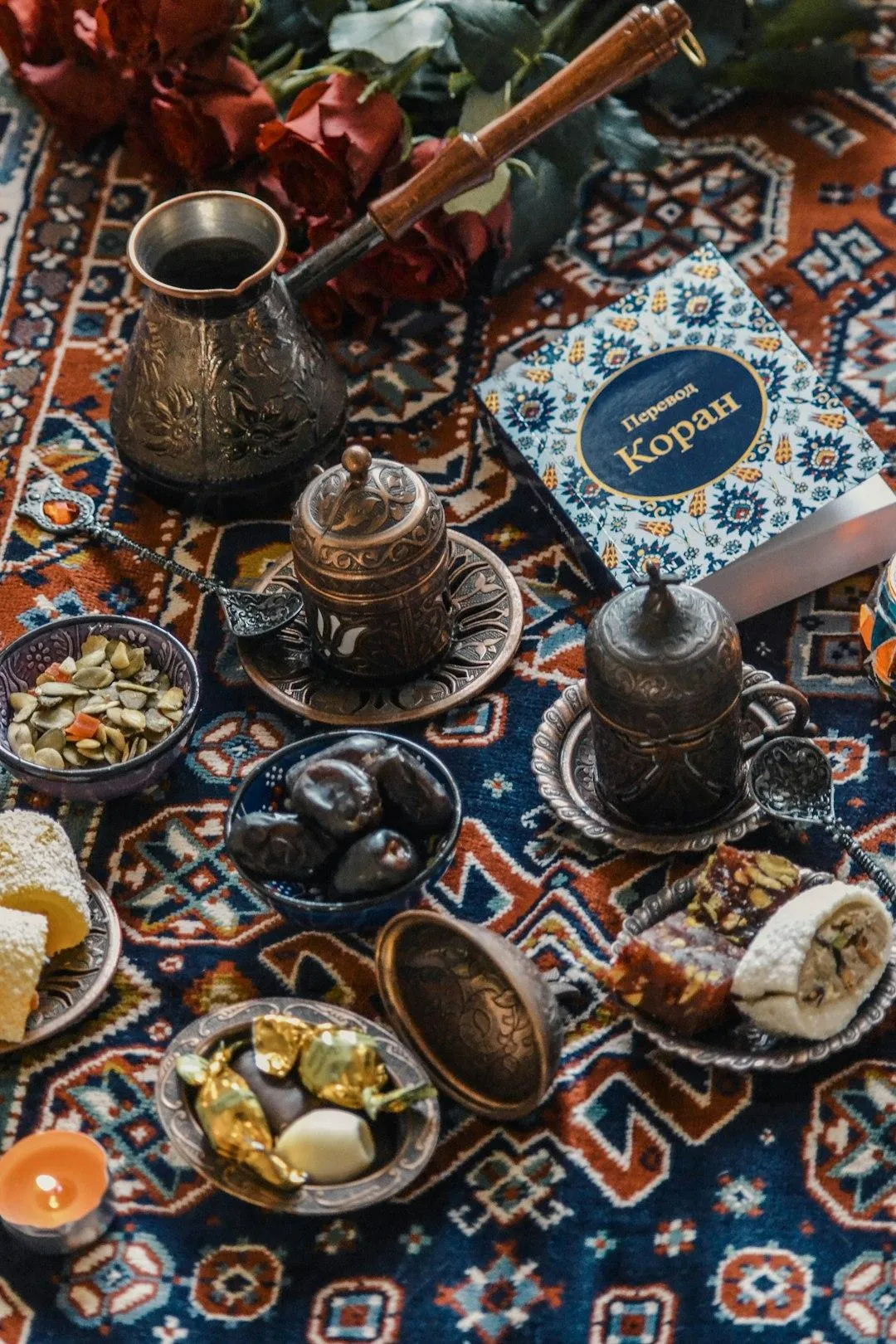

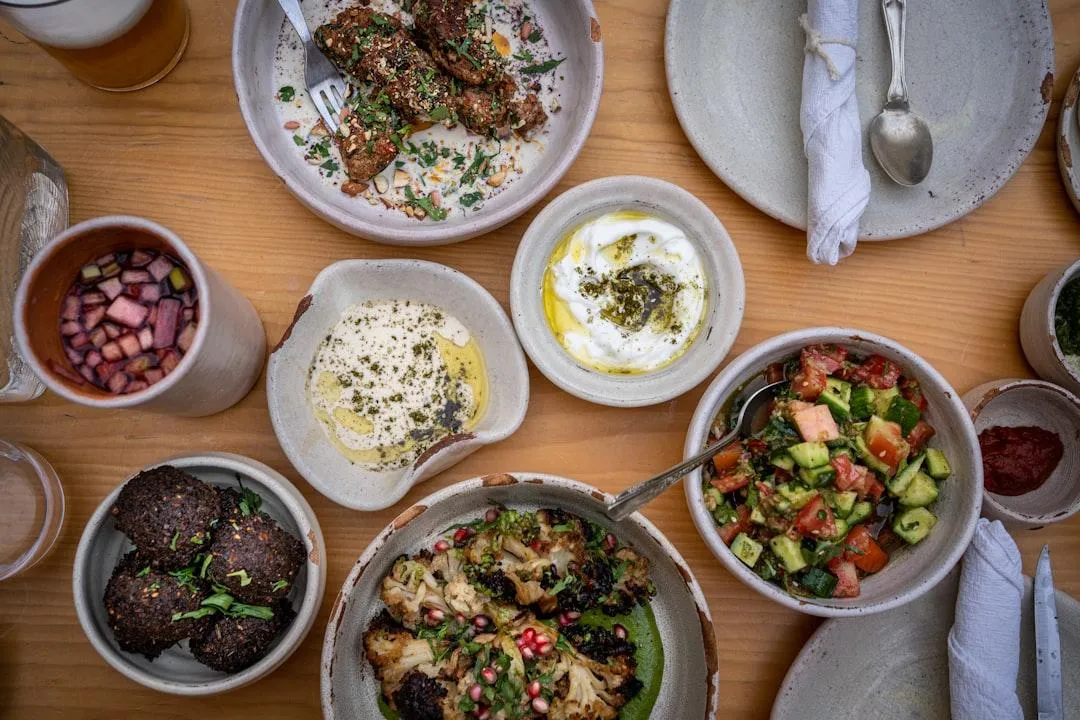
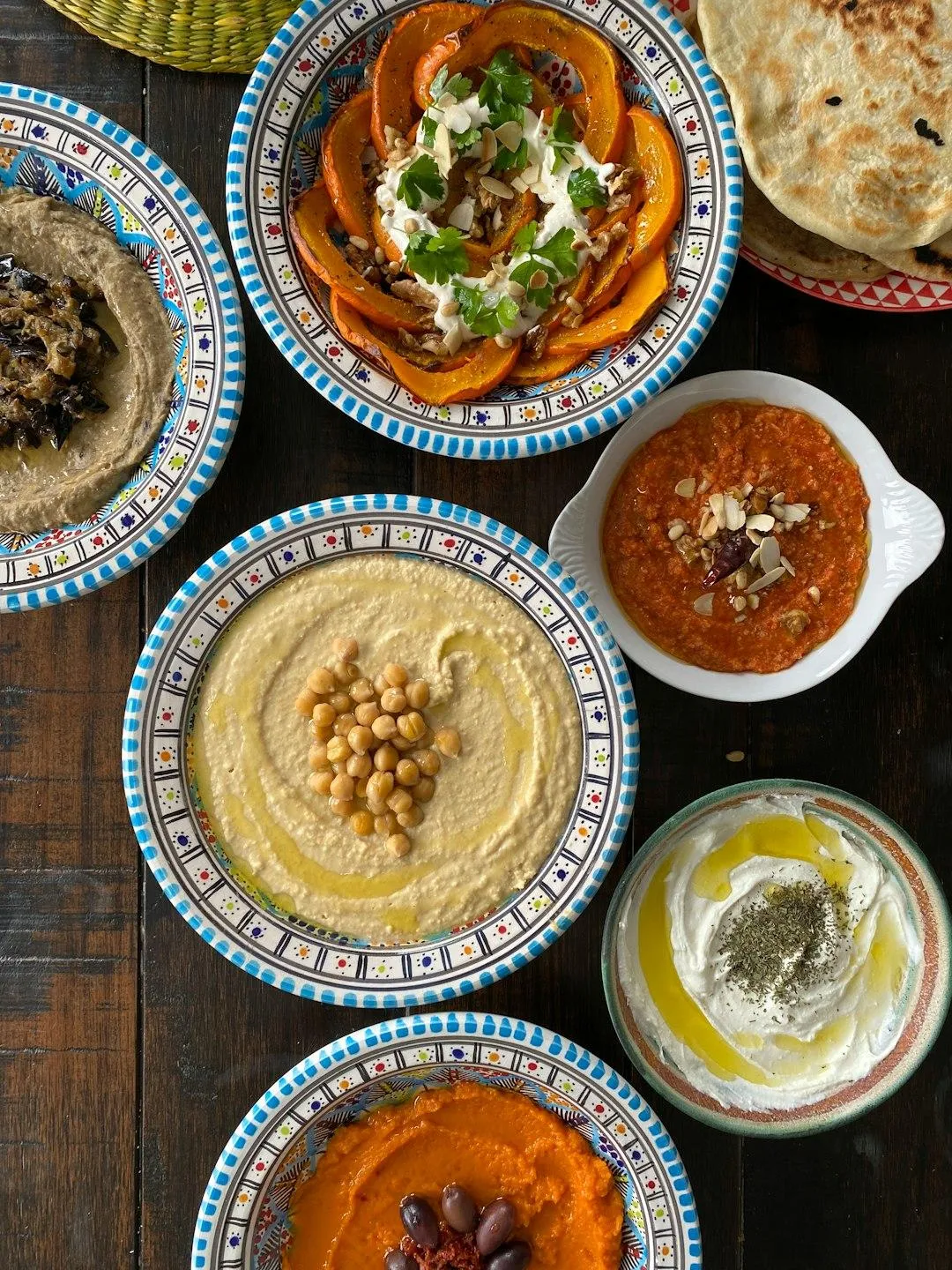
All meals, drinks, and snacks are included (except alcohol)
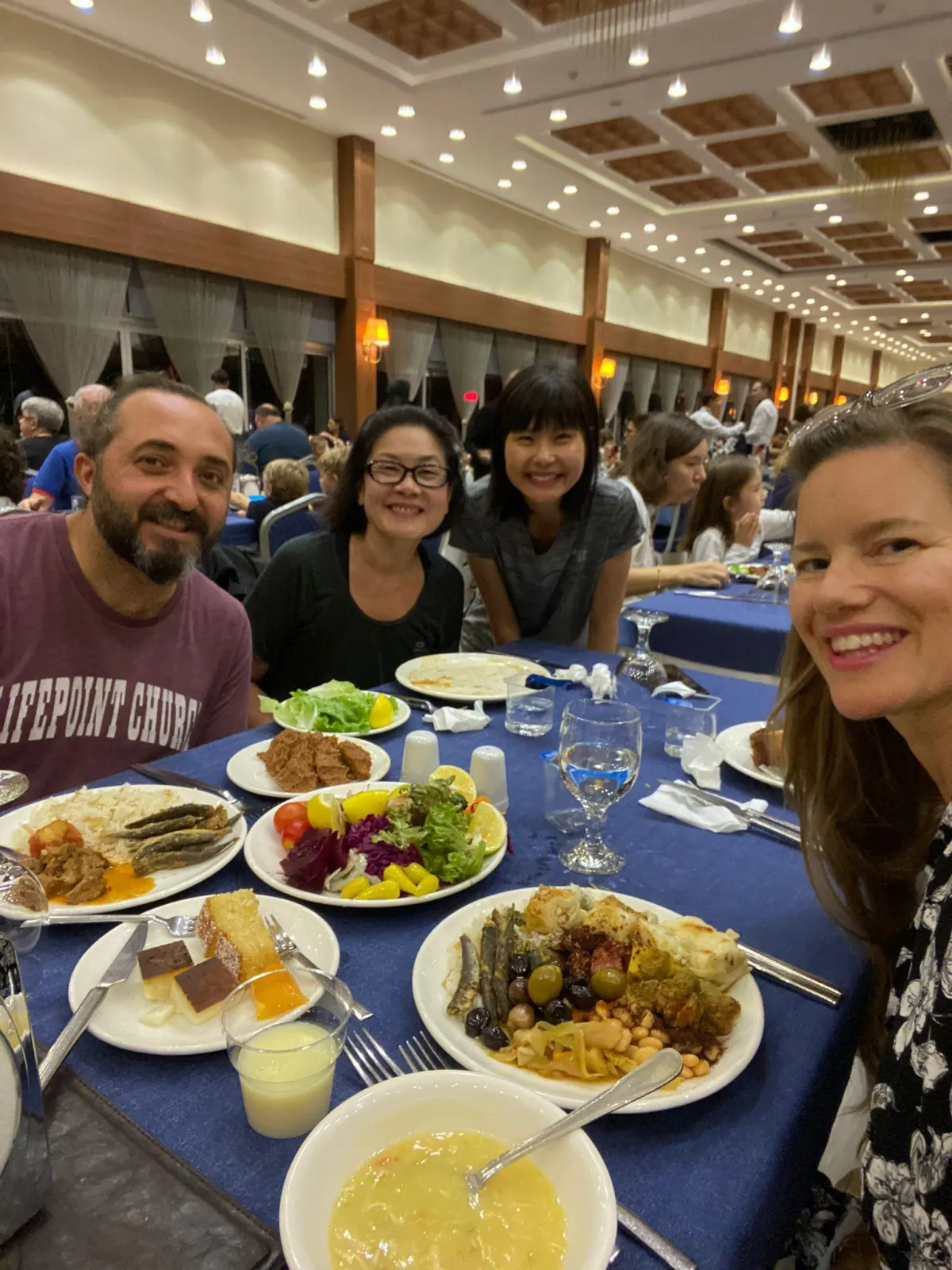
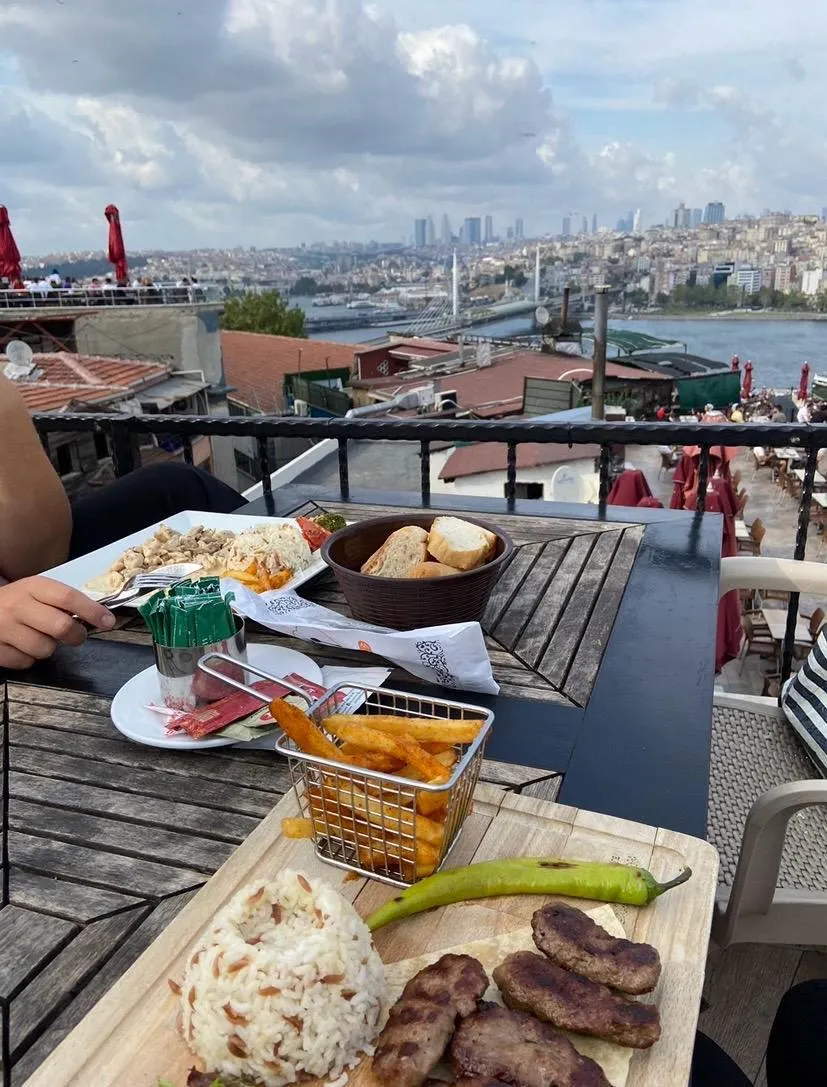
Enjoy beautiful shared meals every day—
physically and spiritually nourishing.
The Apostles Diet
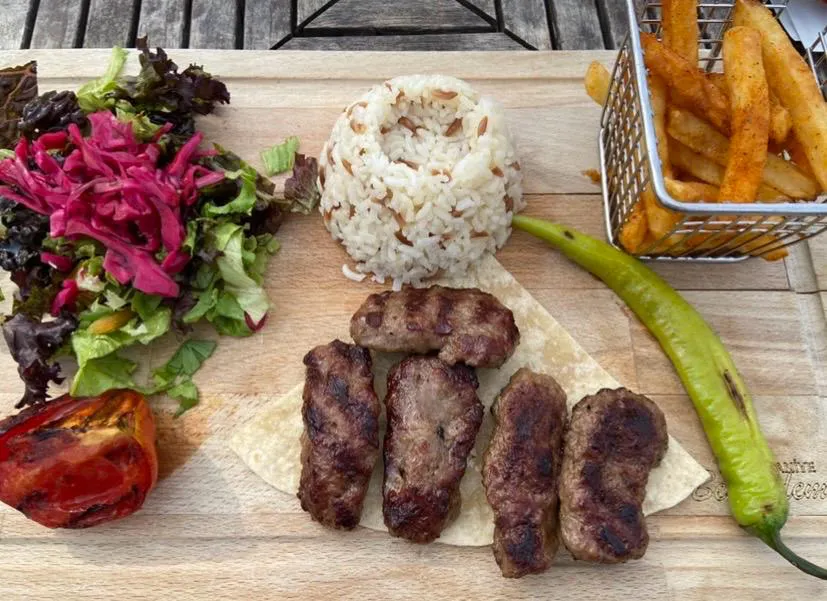
An invitation to eat like the early church. Many dishes and cooking methods in this part of the world are still made with the freshest food
and no preservatives.
Your tummy will thank you for a nourishing reset.

5 Star Accommodations:
Where you will be staying
Luxury Meets Legacy: Swissôtel
On your pilgrimage, you’ll unwind in the world-class comfort of Swissôtel — a luxury hotel brand born in Switzerland, where precision, peace, and hospitality are a way of life. Comparable to the Four Seasons, Swissôtel offers elegant design, five-star service, and wellness-centered comfort. With three handpicked locations, your stay will be more than restful — it will be part of the experience.
About the Swissôtel Legacy
Founded in 1981 in Switzerland — a country renowned for precision, cleanliness, and calm — Swissôtel quickly rose to global acclaim by combining contemporary luxury with Swiss values: efficiency, elegance, and warmth. Now part of Accor’s luxury portfolio, Swissôtel operates in top cities around the world, offering guests a consistently refined experience rooted in well-being, sustainability, and world-class hospitality. Staying at Swissôtel isn’t just luxury — it’s an invitation into a tradition of excellence.

Swissôtel Cesme
SWISSÔTEL RESORT & SPA ÇESME
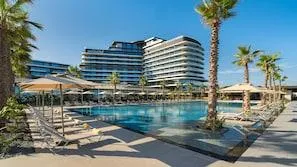
Nestled along the crystal-clear Aegean coast, this beachfront sanctuary offers guests direct access to warm, swimmable Mediterranean waters. Surrounded by natural beauty and thermal springs, it’s a peaceful place to rest, recharge, and soak in the healing rhythms of the sea.
Swissôtel izmir
Swissotel Buyuk Efes, Izmir
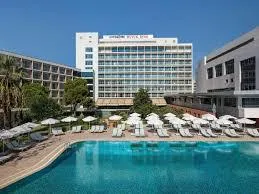
Set in the heart of ancient Smyrna and just steps from the Aegean shore, this elegant property is surrounded by gardens and features its own contemporary art collection. Guests can enjoy gentle, warm coastal breezes and access to nearby beaches, making it both culturally rich and deeply relaxing.
Swissôtel Istanbul
Swissôtel The Bosphorus, Istanbul
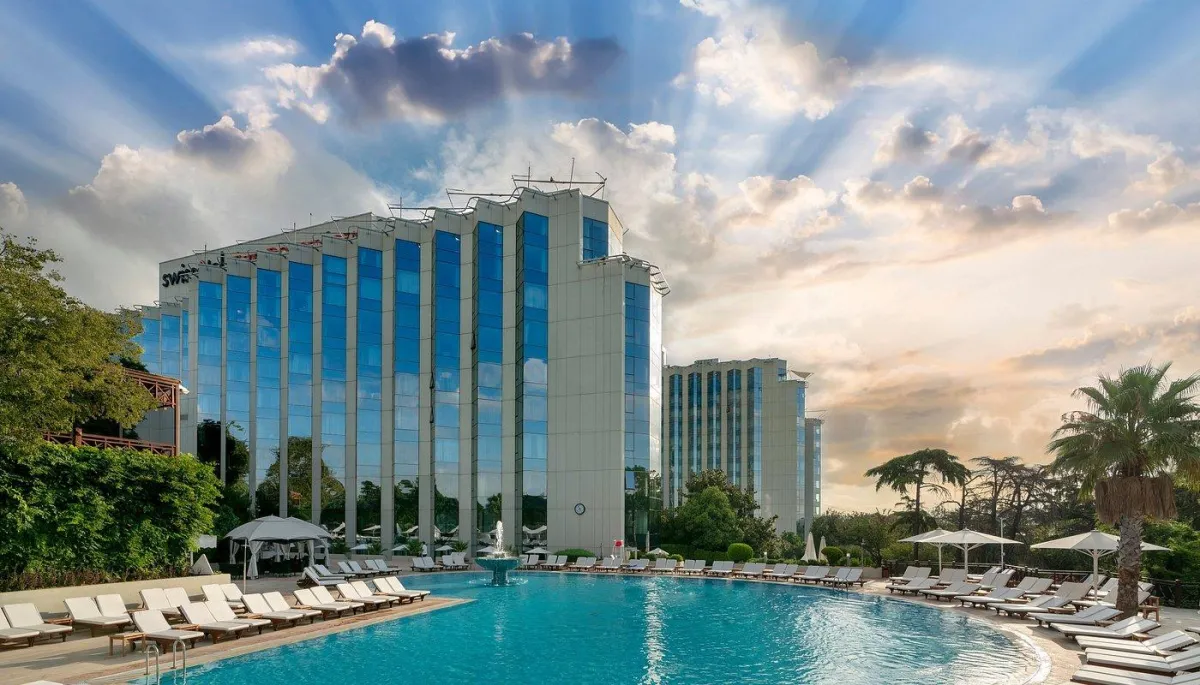
Overlooking the iconic Bosphorus Strait, this flagship property offers sweeping panoramic views, award-winning dining, and a perfect balance of old-world charm and modern elegance. A calm retreat in the heart of one of the world’s most storied cities.
Cappadocia
Our hotel is TBD. The best Cappadocia hotels have to offer, both walking distance to the cute shops, cafes, and stores, plus views of the valley in the Göreme area.
Some of the very best hotels by car are easy to access.
But it has a slight upward incline to walk back from a cafe, shopping, and the middle of town. We have found it's best to stay in a hotel closer to street level for convenience, comfort, and ease to get around when you want to explore a bit from the hotel.
Explore the Roots of Faith Amid Ruins and Remnants
Walk ancient lands
Kara's longtime passion for archaeology and now biblical history led her to begin an Associate Scholar Certificate of Biblical Language and
The Biblical World.
Her studies consist of exploring the Hebrew background of the New Testament, the Torah, the Prophets, and the Hebrew Book of Revelation.
Providing a rich cultural and historical foundation on the tours
Step back in time, breathe, and have reverence for those early believers.
We sprinkle Biblical Hebrew into each day to learn original meanings or translations that got lost.
They had the scriptures
(Tanakh)
or called "old testament"
They didn't yet have the
(Brit Hadashah)
or called "new testament"
There was no "church" building. They worshipped in synagogues up until
between 70AD and 110AD.
This occurred after the destruction of the Temple in Jerusalem, which happened in the year 70AD.
Under persecution they
were hiding
and praying together.
Can you imagine this...
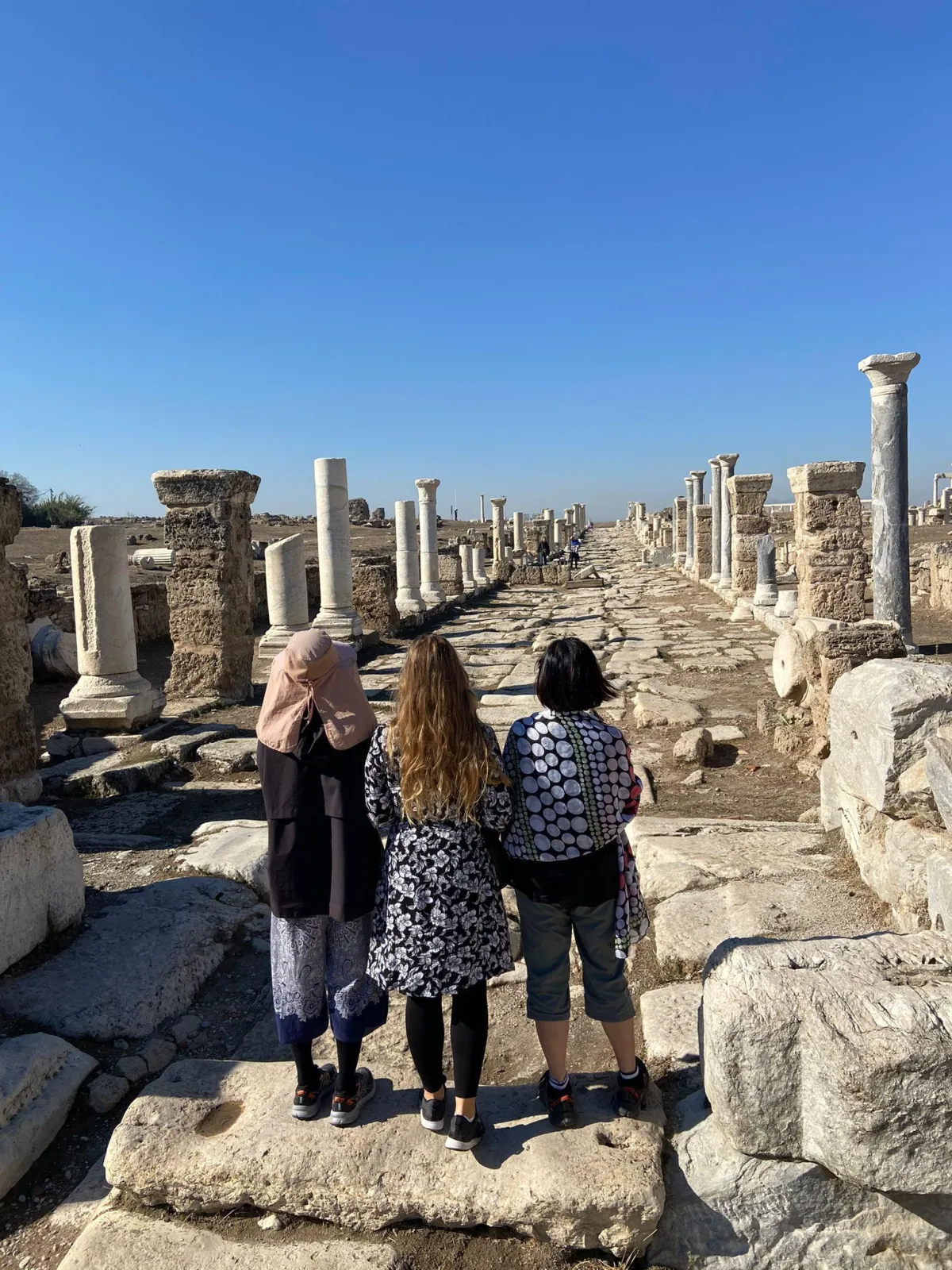
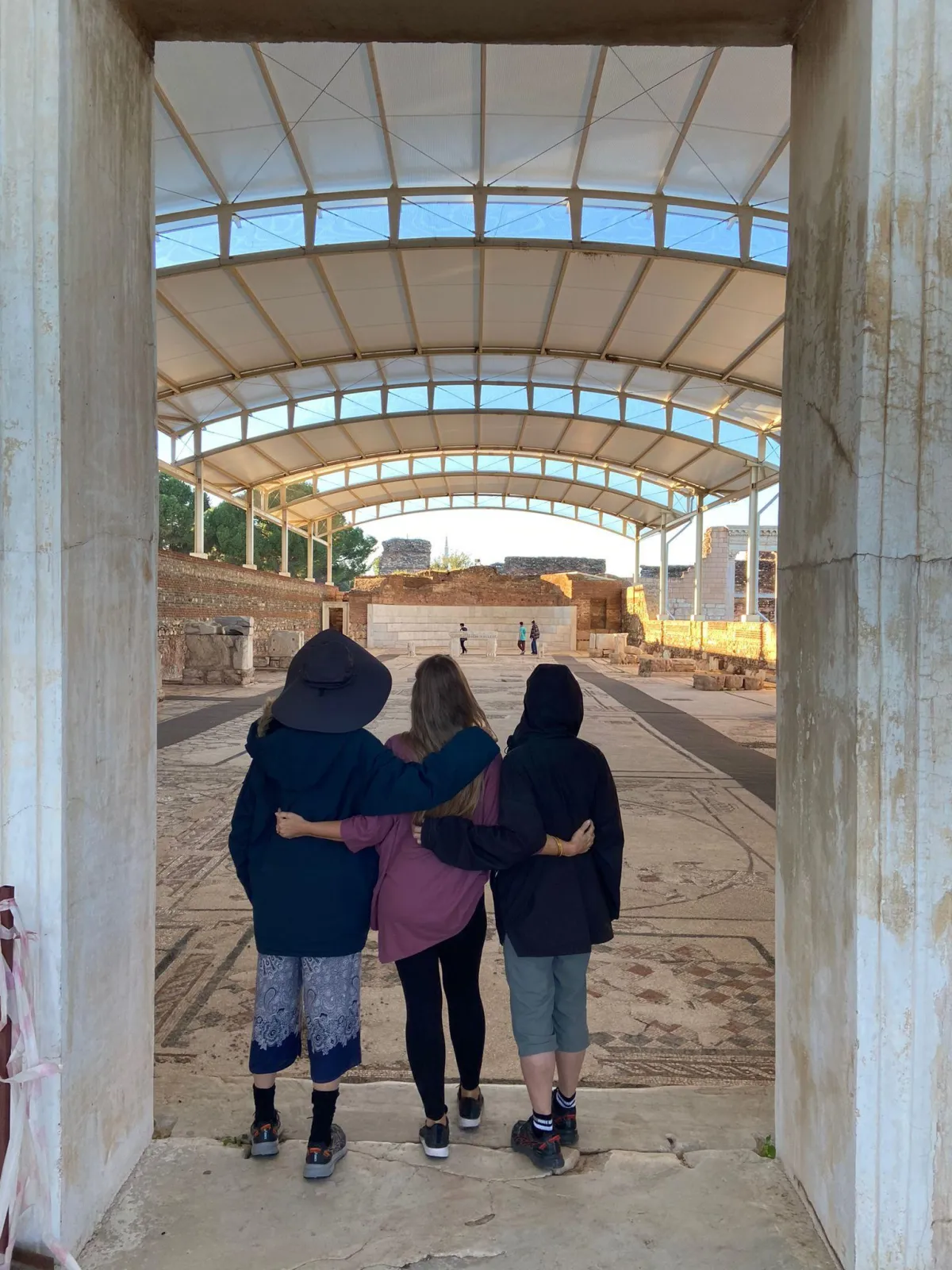
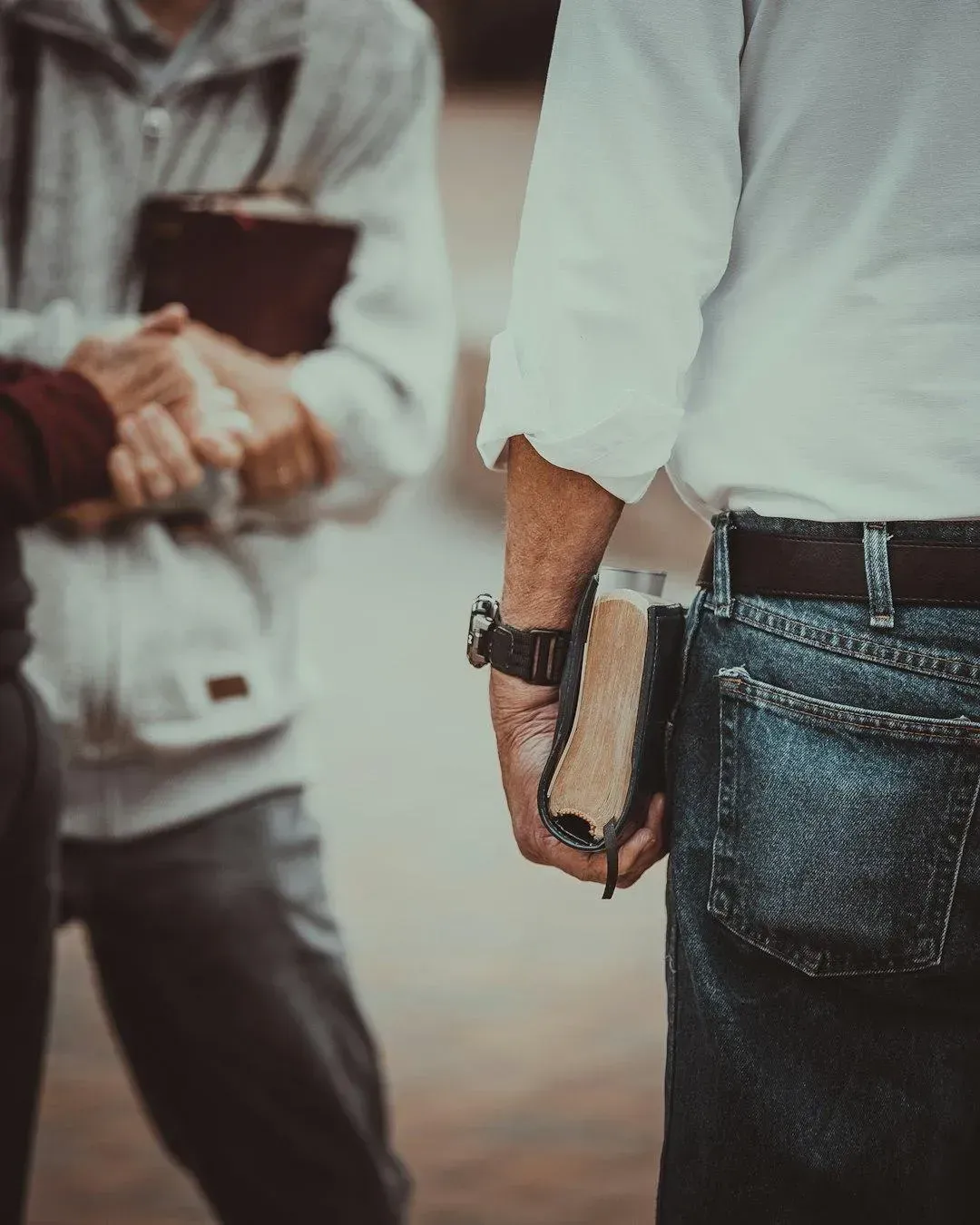
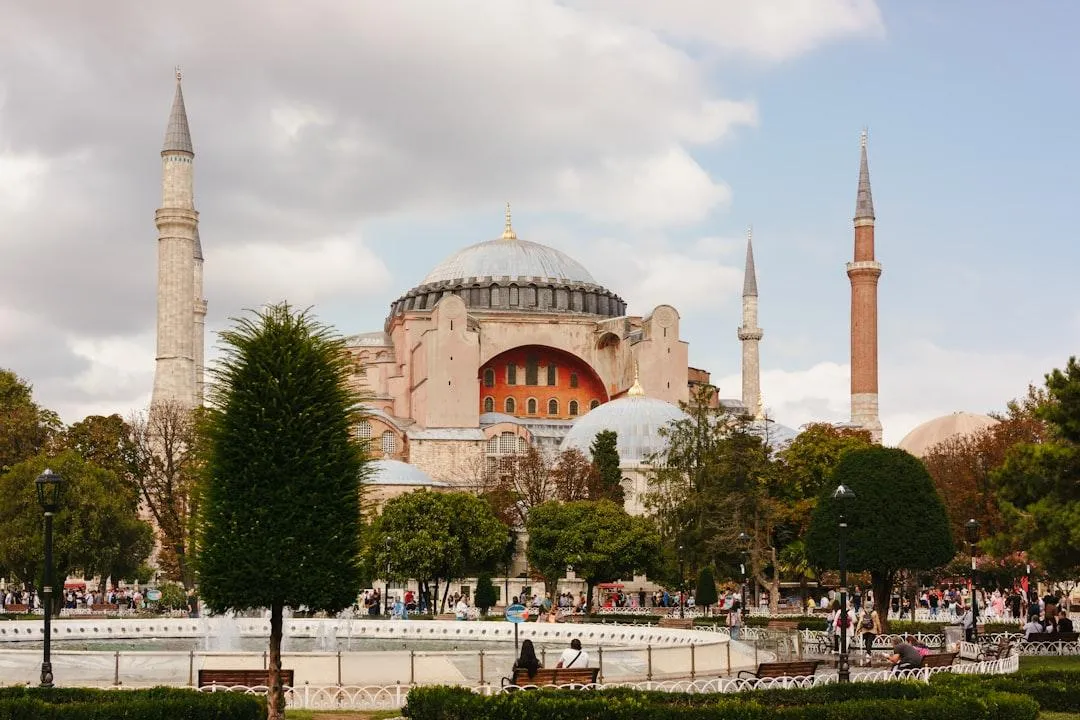
Ancient christiandom- Constantinople
What was this land like... before...it was changed by conquest...
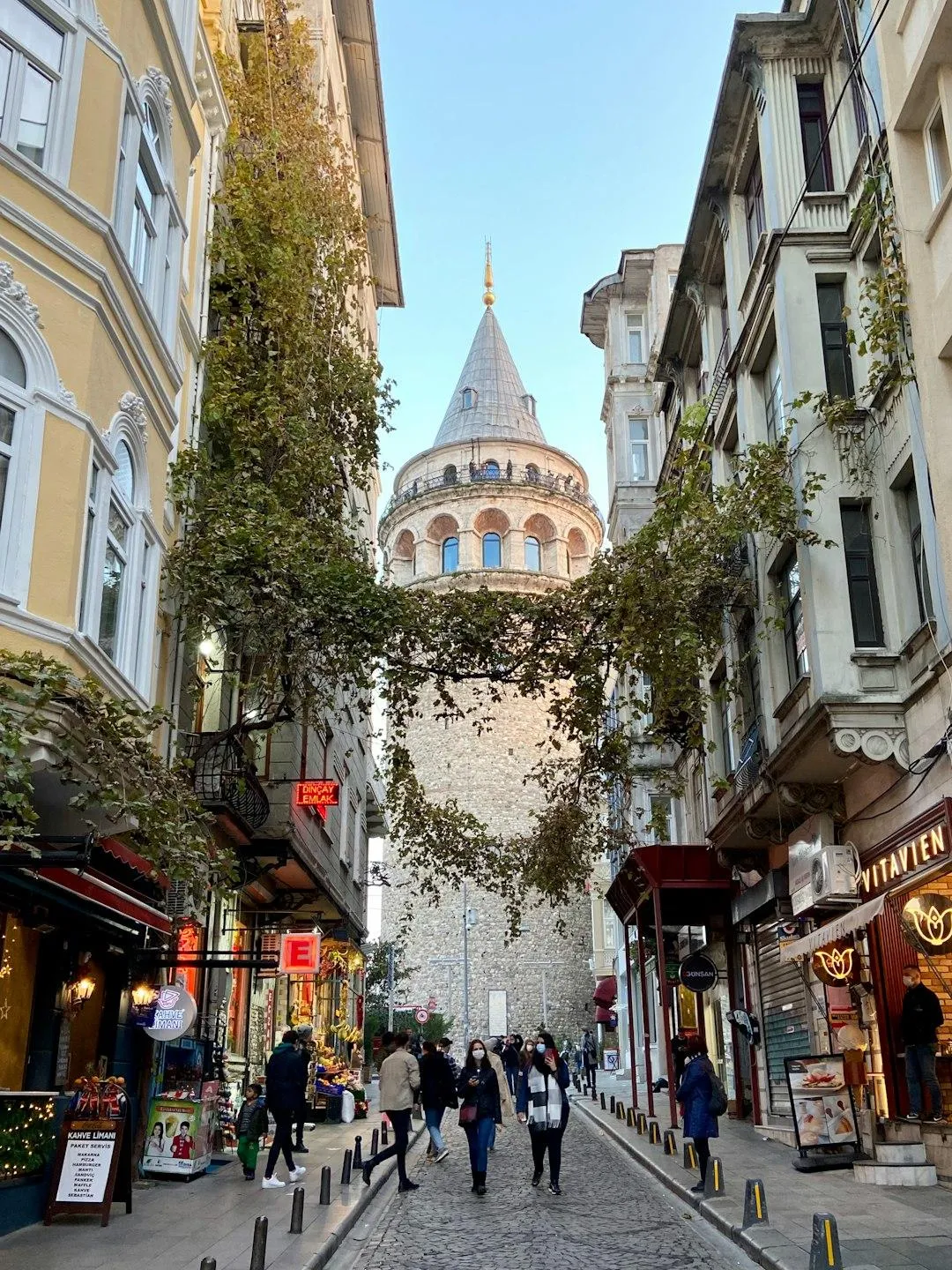
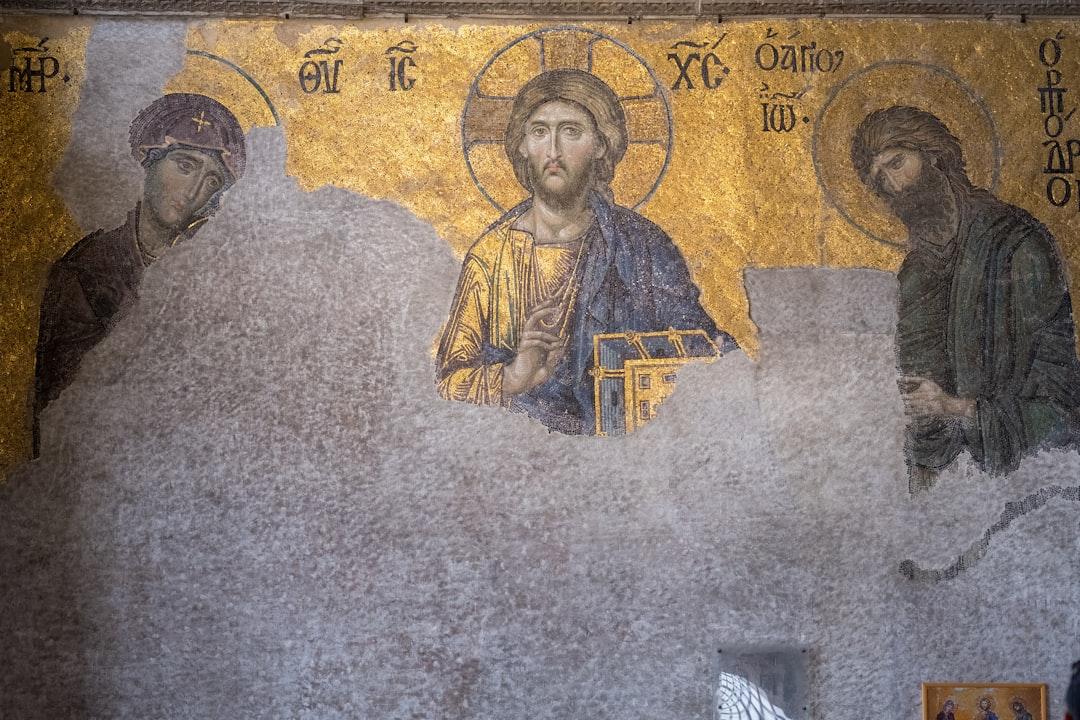
How will we get around?
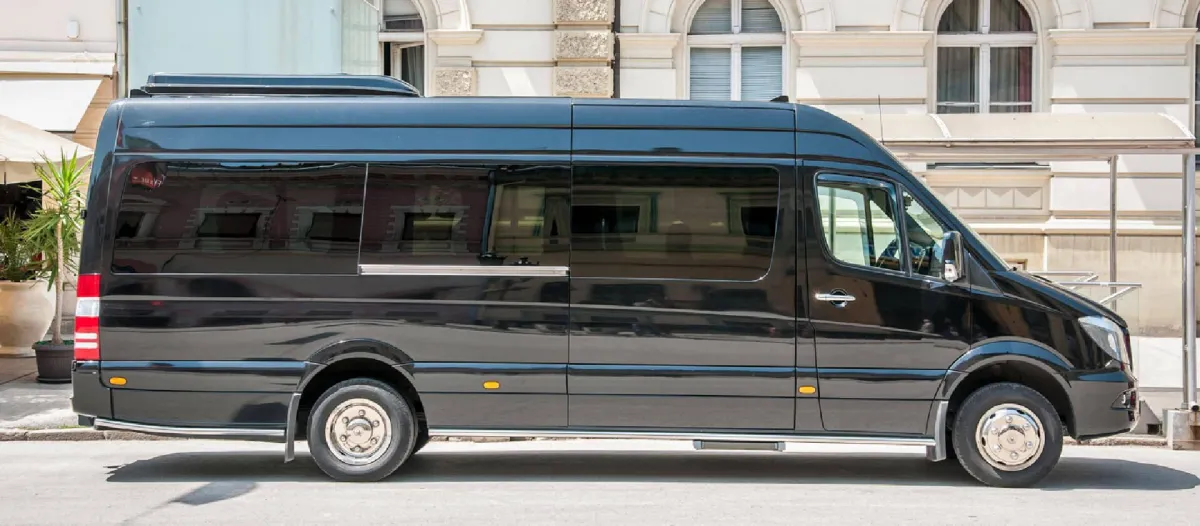
You will be transported in comfort by our professional driver
16 person mercedes sprinter van
We will travel to see all the churches in a luxury tour bus with plenty of space for 10 guests, luggage, plus our small leadership team.
Intimate Group Size —
Deep Fellowship
This is a boutique, luxury experience, limited to small groups for maximum depth, comfort, and community.

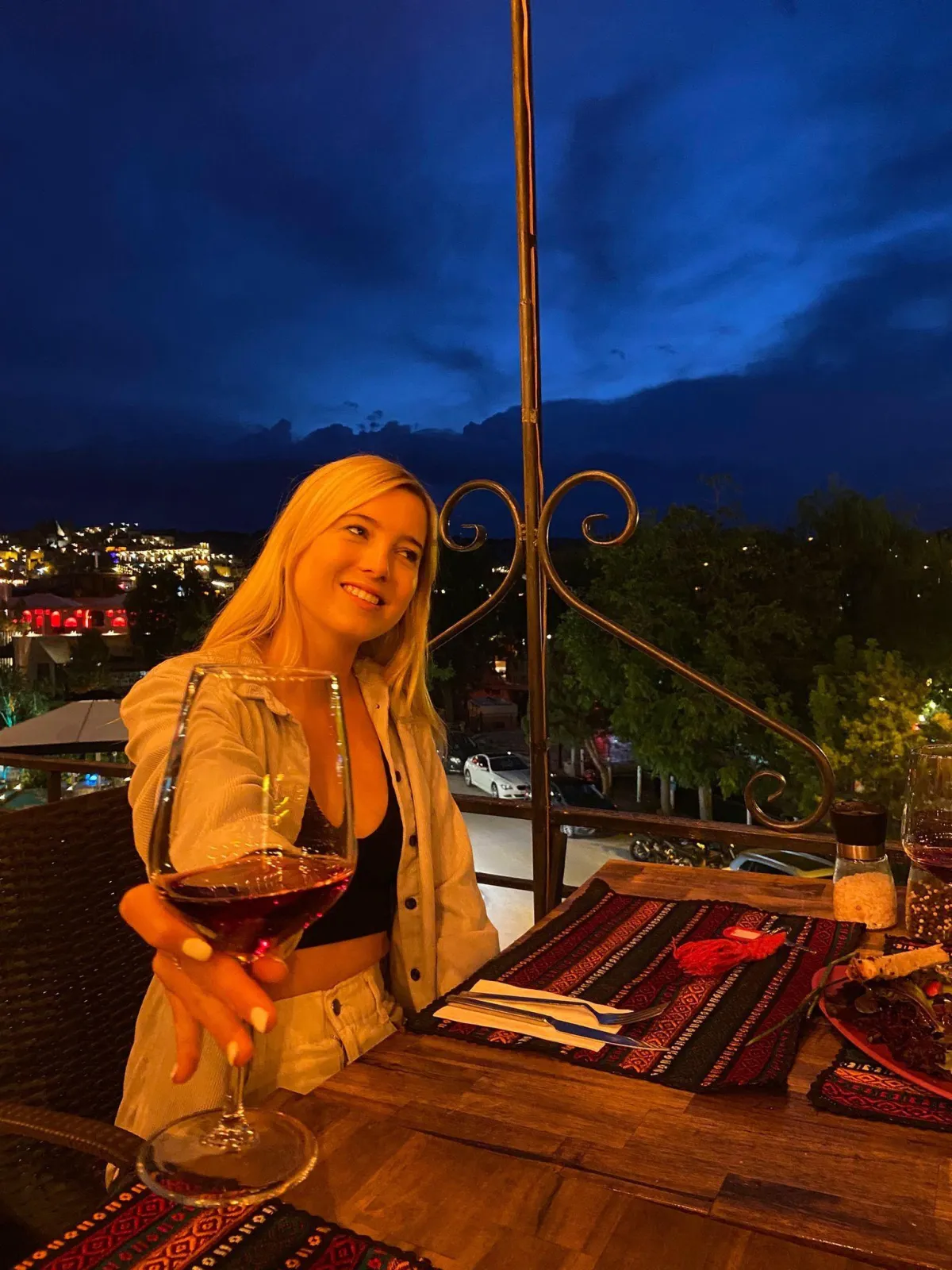
We offer the highest quality and luxury in Turkey to make sure you are comfortable from the moment you step onto the land.
Flights to/from Turkey- Anatolia
are not included
Flights within Turkey are included
Fly into Izmir airport and fly out of Izmir airport. Airport code: ADB
Izmir Adnan Menderes Airport
Airport pickup and drop-off are fully included in your price.
5-star Luxury
EXPERIENCE + WHAT'S INCLUDED
13 Nights / 14 Days
Sept 21–Oct 4, 2025
During your 13 nights / 14 days
All meals (breakfast, lunch, dinner, non-alcoholic drinks, snacks)
All entrance fees & biblical site admissions
5-star hotels & premium boutique lodging
Luxury tour bus with private driver
Domestic flight to/from Cappadocia
Optional activities in Cappadocia
Swim in warm Mediterranean Sea water
Local tour guide for excursions
Airport pickup and transfers
Fully hosted by your local believing guides
Not included are alcohol and souvenirs
How much does this cost?
We’ve created a sliding scale to make this journey more accessible.
Because we believe this is a pilgrimage best shared, we’ve structured our pricing so that the more people in your group, the lower the cost per person. Whether you’re traveling solo or with a circle of friends, this makes it easier to say “yes” to walking the Bible together.
Group Size
Rate (Per Person)
Room Type
10 Travelers
8 Travelers
1–4 Travelers
*Best Rate👇
$3600 per person
$4000 per person
$9,000 per person
$500 Deposit Required for all Travelers
Double Occupancy
Double Occupancy
Single Occupancy
🗓🗓🗓
If these dates don't work for your group, please email us: [email protected]
We offer tours in the spring and fall; these are the best times to visit.
Email us or book a call to plan with alternative dates.
Book a call button is below👇
How much does this cost?
We’ve created a sliding scale to make this journey more accessible.
Because we believe this is a pilgrimage best shared, we’ve structured our pricing so that the more people in your group, the
better the rate.
Whether you’re traveling solo or with a circle of friends, this makes it easier to say “yes” to walking the Bible together.
10 Travelers
* Best Rate
👉 $3600 per person - Double Occupancy
8 Travelers
$4000 per person - Double Occupancy
1–4 Travelers
$9,000 per person - Single Occupancy
**$500 Deposit Required For All Travelers
How to Join the Journey
We’ve made it simple to take the next step toward walking where the early church walked…
01.
Save Your Spot
Pay your $500 refundable deposit to reserve your place.
02.
Invite Your Circle
This pilgrimage is even more meaningful (and affordable) when shared. The more people in your group, the lower
the price per person.
We offer sliding scale pricing—groups of 8–10 receive our lowest luxury rate.
03.
Book a Quick Call with Kara
Need help organizing a group? Want to talk through travel or pricing?
Let’s connect and map it out together.
04.
Prepare Your Heart
We’ll send travel prep emails, packing tips, and Scripture readings so you’re spiritually and practically ready.
05.
Travel Light — We Handle the Details
From airport pickup to daily meals and site access, we take care of everything. You just show up, ready to receive.
🙏
Still Praying About It?
That’s okay.
Join our interest list and we’ll keep you updated on availability and behind-the-scenes updates.
FREQUENTLY ASKED QUESTIONS (FAQ)
Is it safe to travel here?
Yes! We live here and can say with confidence that Anatolia is very safe, incredibly welcoming, and home to world-famous hospitality.
What’s the weather like in September and October?
Perfect. Warm days, cool evenings—ideal for walking tours and outdoor meals.
Do I need a tourist visa in 2025?
U.S. citizens do not need a visa for Turkey in 2025 if traveling for tourism or short-term business, provided the stay does not exceed 90 days within a 180-day period.
This visa exemption is recognized by Turkish border authorities.
For countries other than the US, please check the 2025 Visa guidelines.
Do I need to dress modestly?
Yes. Out of cultural respect (not religious requirement), we ask all guests to dress modestly. Think loose-fitting pants, longer skirts, and covered shoulders. Tank tops and yoga pants are fine since it can get hot, but please keep in mind we are guests. The cultural norm is classic and modest dress.
What about my passport?
Your passport must be valid for at least 6 months past your entry date.
Do I have to join all activities?
No. All Cappadocia excursions are optional. You’re welcome to join us for quieter days if you prefer.
Is there alcohol, and is drinking allowed?
Yes, Local wines (red, white, and rosé) and foreign wines are available. Local beers and foreign beers are also available,
as is hard liquor
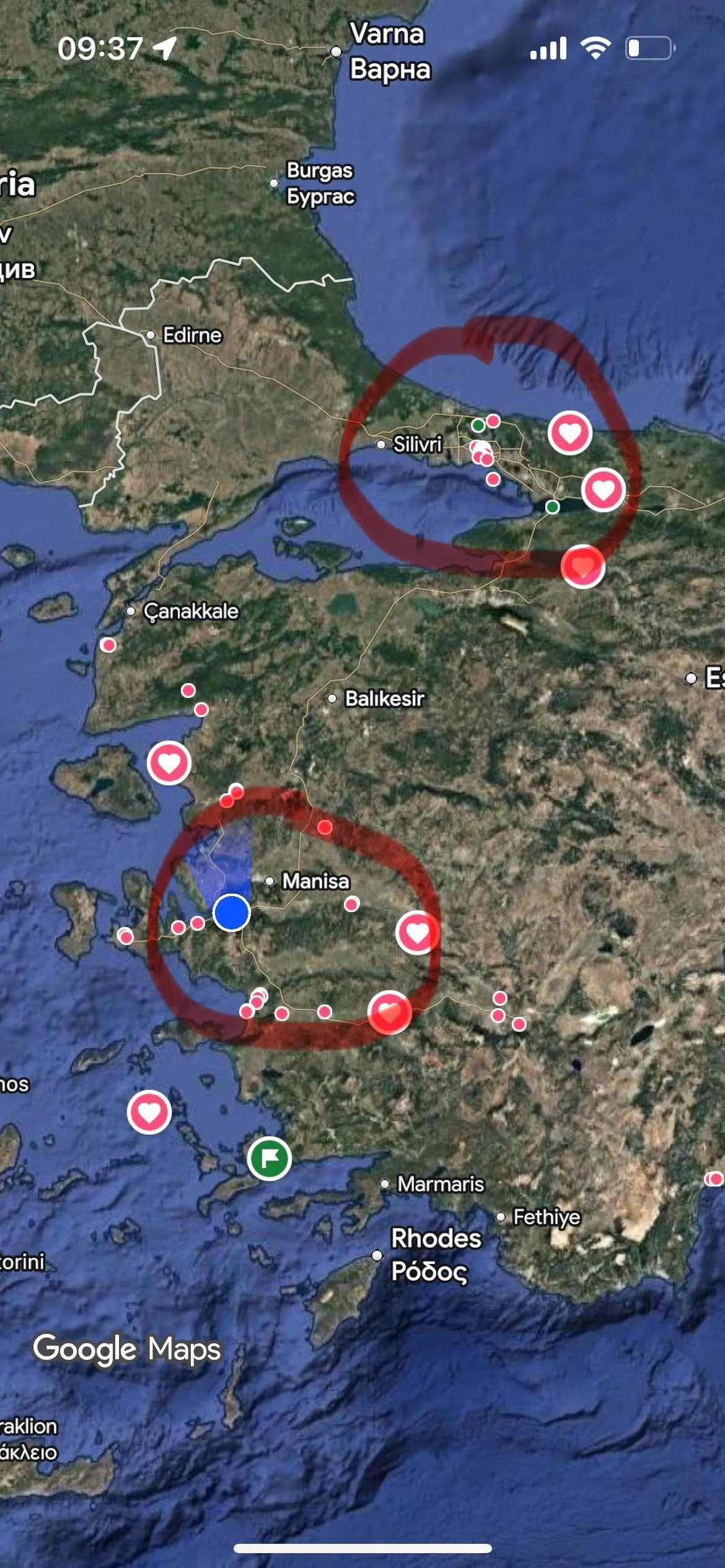
Airport to book your flights to Izmir Turkey
Airport code: "ADB" Izmir Adnan Menderes Airport
Question: Why can't I fly into Istanbul?
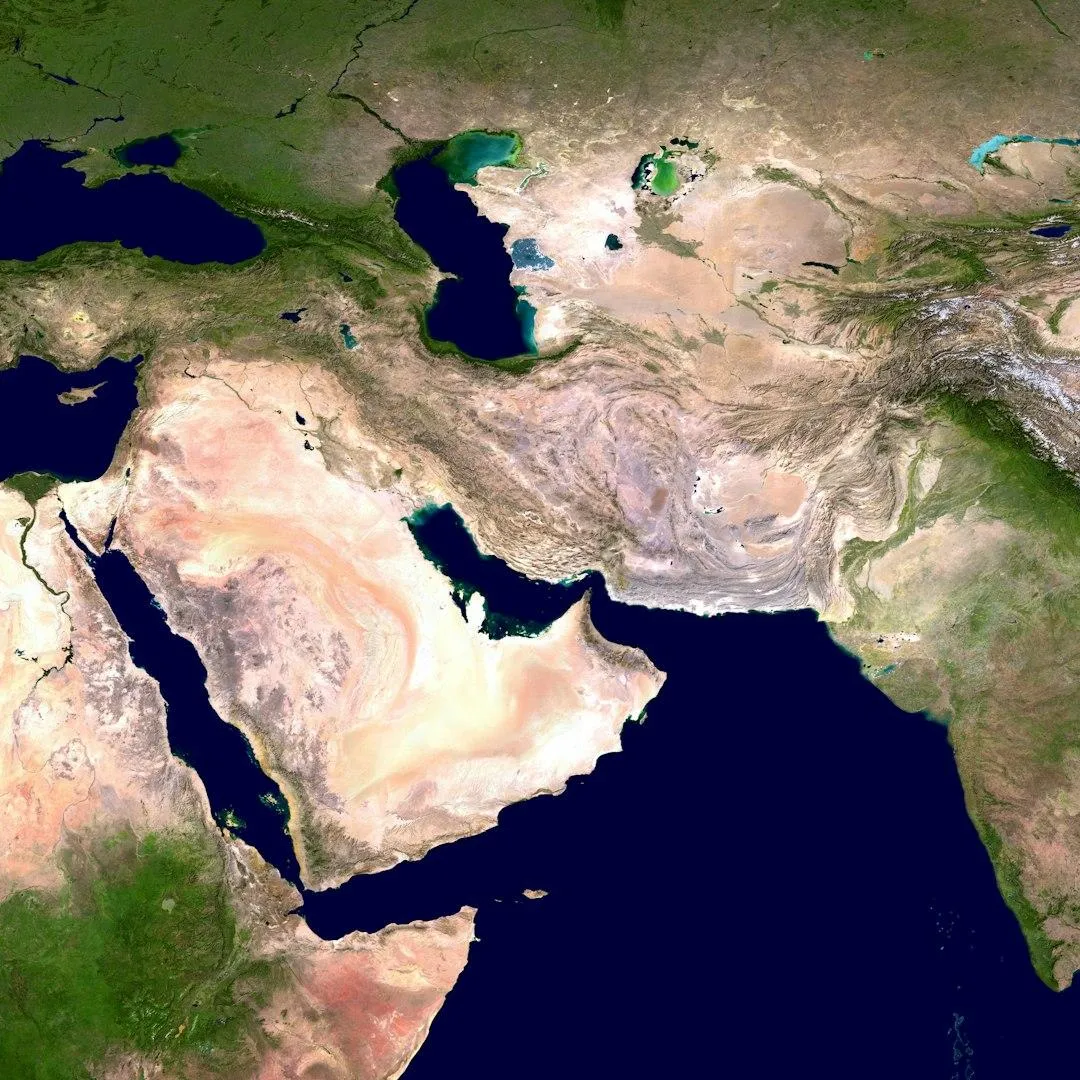
Answer: Istanbul is in the north (see red circle)
and Izmir is in the south (red circle).
Izmir is also one of the churches in revelation (Smyrna) and is near the other churches we drive to.
You can fly into Istambul, but you will still need the last flight into Izmir.
The airport in Izmir is also an international airport and tthe flight rates should be equivalent to Istanbul in most cases.
Airport to book your flights to
Izmir, Turkey
Airport code: "ADB"
Izmir Adnan Menderes Airport
Question: Why can't I fly into Istanbul?
Answer: Istanbul is in the north
(see red circle)
and Izmir is in the south (red circle).
Izmir is also one of the churches in Revelation (Smyrna) and is near the other churches we drive to.
You can fly into Istanbul, but you will still need the last flight into Izmir.
The airport in Izmir is also an international airport, and the flight rates should be
equivalent to Istanbul in most cases.
what everyone is saying about
~Walk the bible~ in asia minor
Testimonials and kind words from past tour participants 💛
"We had the most amazing time exploring the 7 churches with Kara and Hasan. Both Kara and Hasan are wonderful and anointed hosts. We felt completely safe in their caring and capable hands. It is a rare blessing to be able to walk in the footsteps of the ancient saints with fellow believers like Kara & Hasan, who are also locals".
-Jackie

"Their comprehensive itinerary was perfectly planned and timed. We had ample time to see everything, yet never felt rushed. I was very grateful that they wisely allocated additional time at each site for us to pray and fellowship".
-Kathy
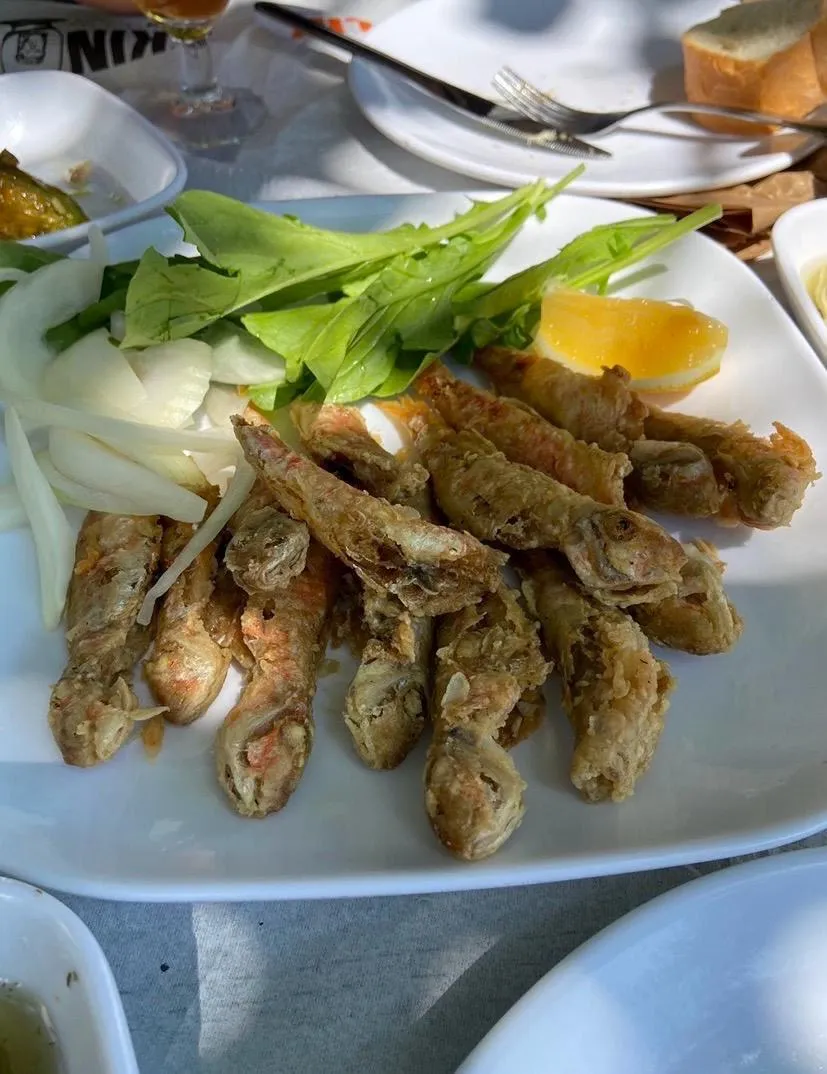
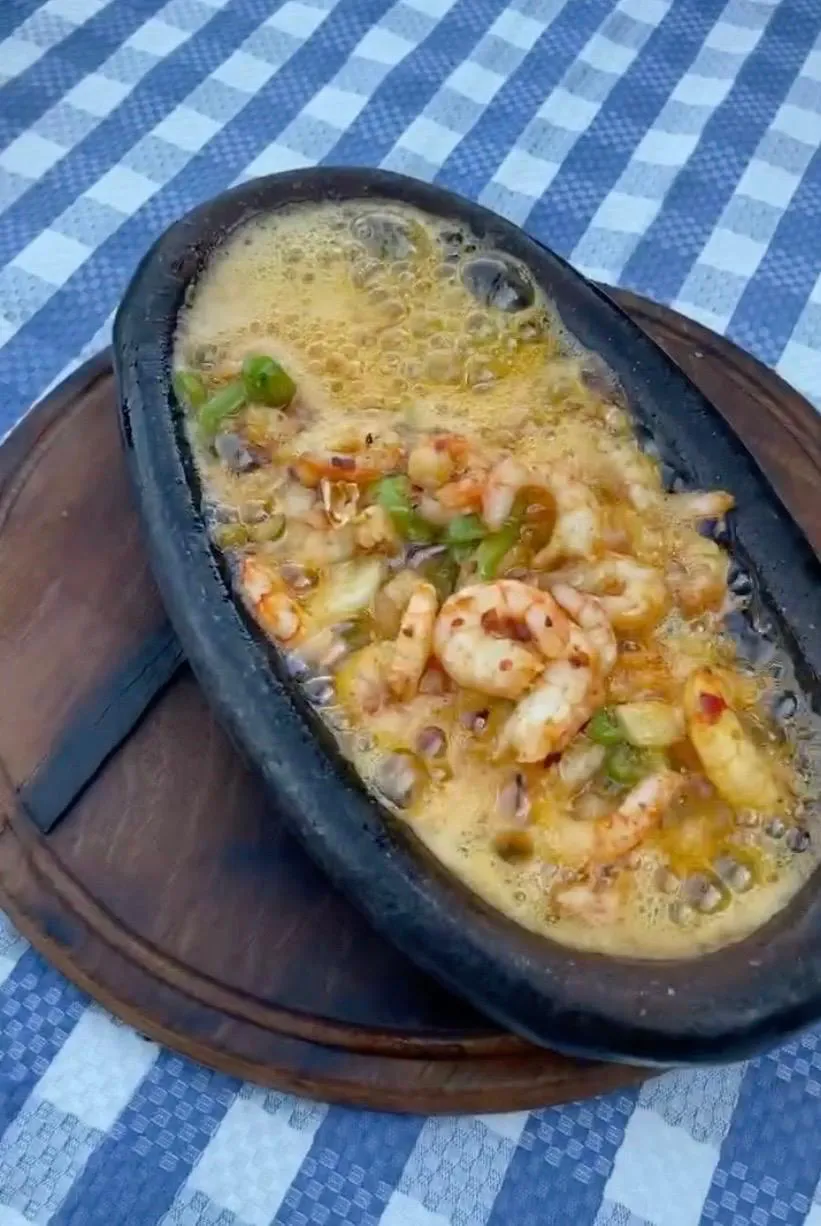
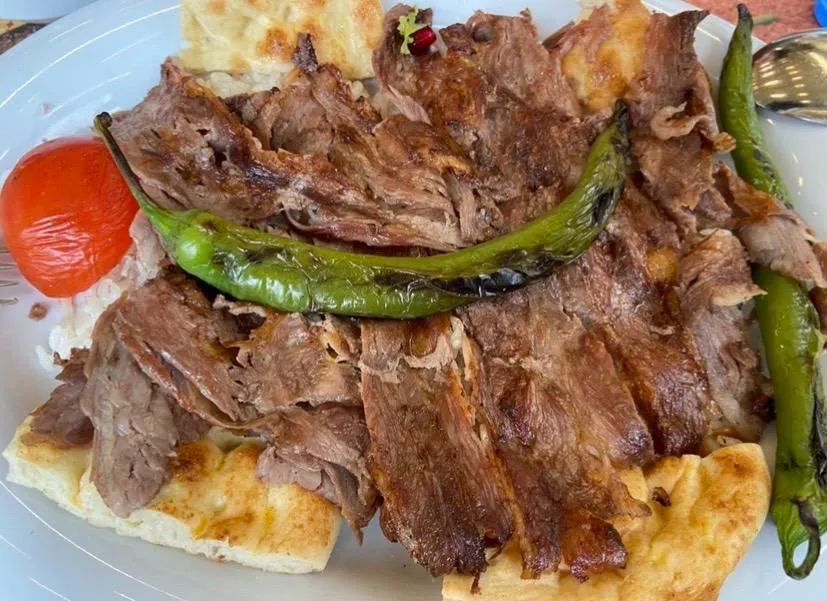
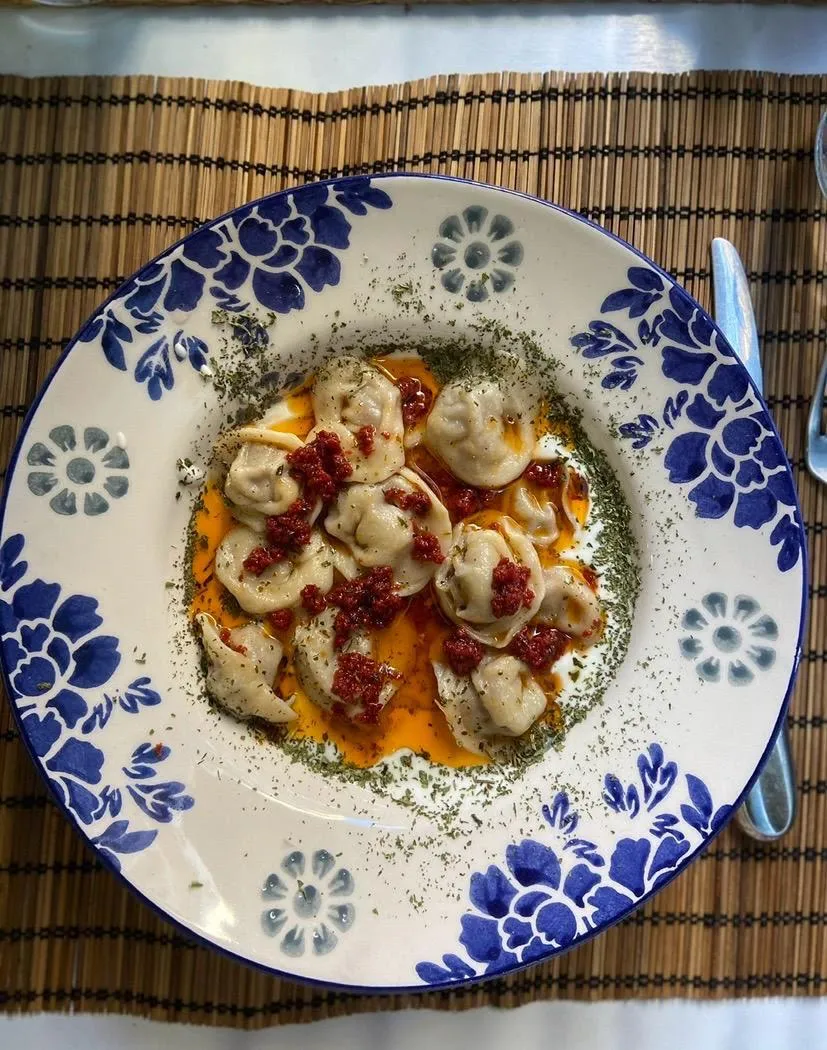
"The hotels selected were exceptionally clean, modern and comfortable, and the wide variety of meals that Kara & Hasan treated us to were unique and deliciously authentic.
-Andrea
"My most memorable experience was when they took us to a little ancient cave church in Cappadocia, where the Spirit of the Lord fell as we quietly worshipped".
-Gaby
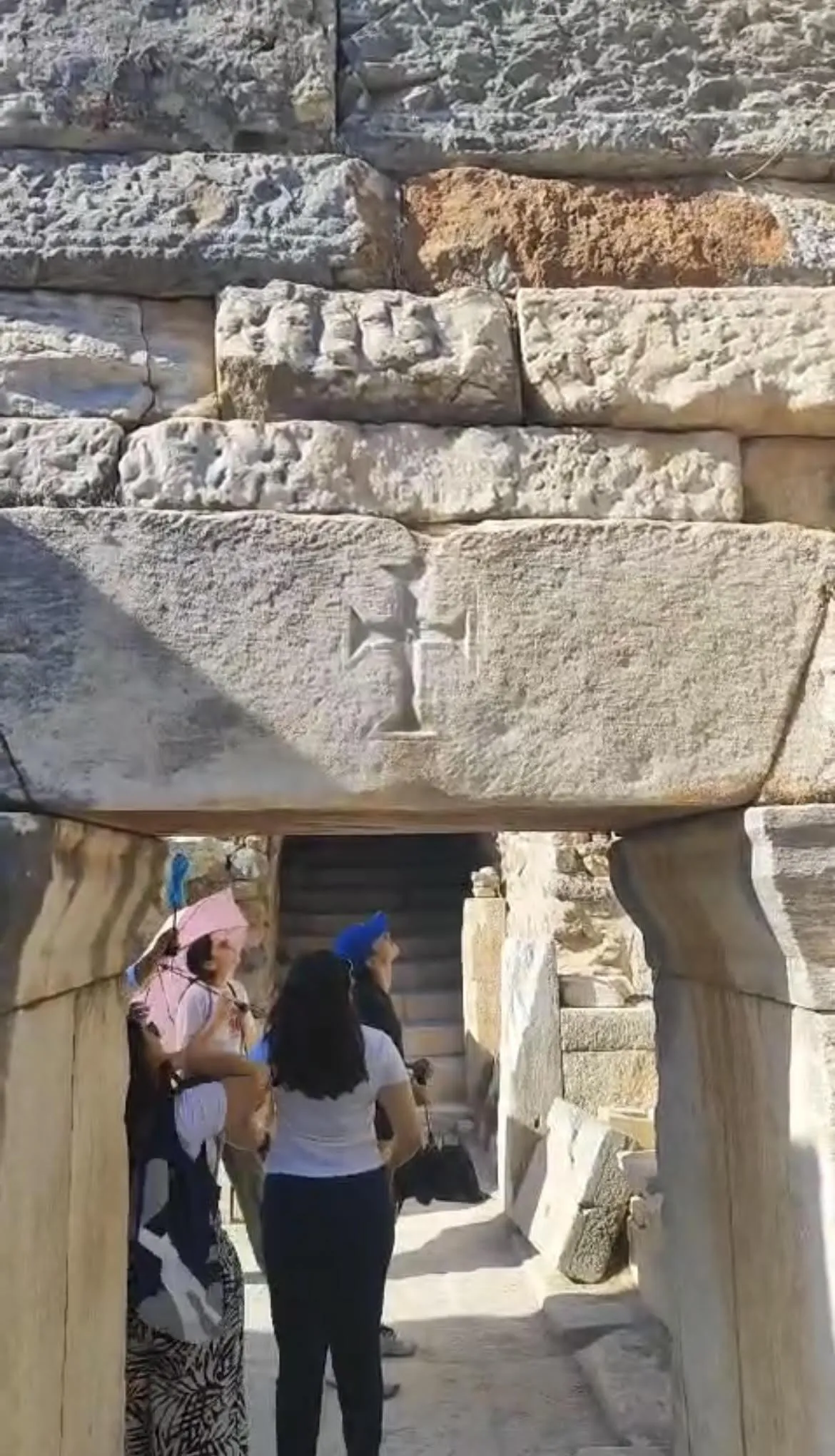
"We also have to thank Kara & Hasan for inviting us to join their church's vibrant Sunday service! It was truly a privilege to witness the move of the Holy Spirit and to connect with the precious remnant still in the land".
-Andreas
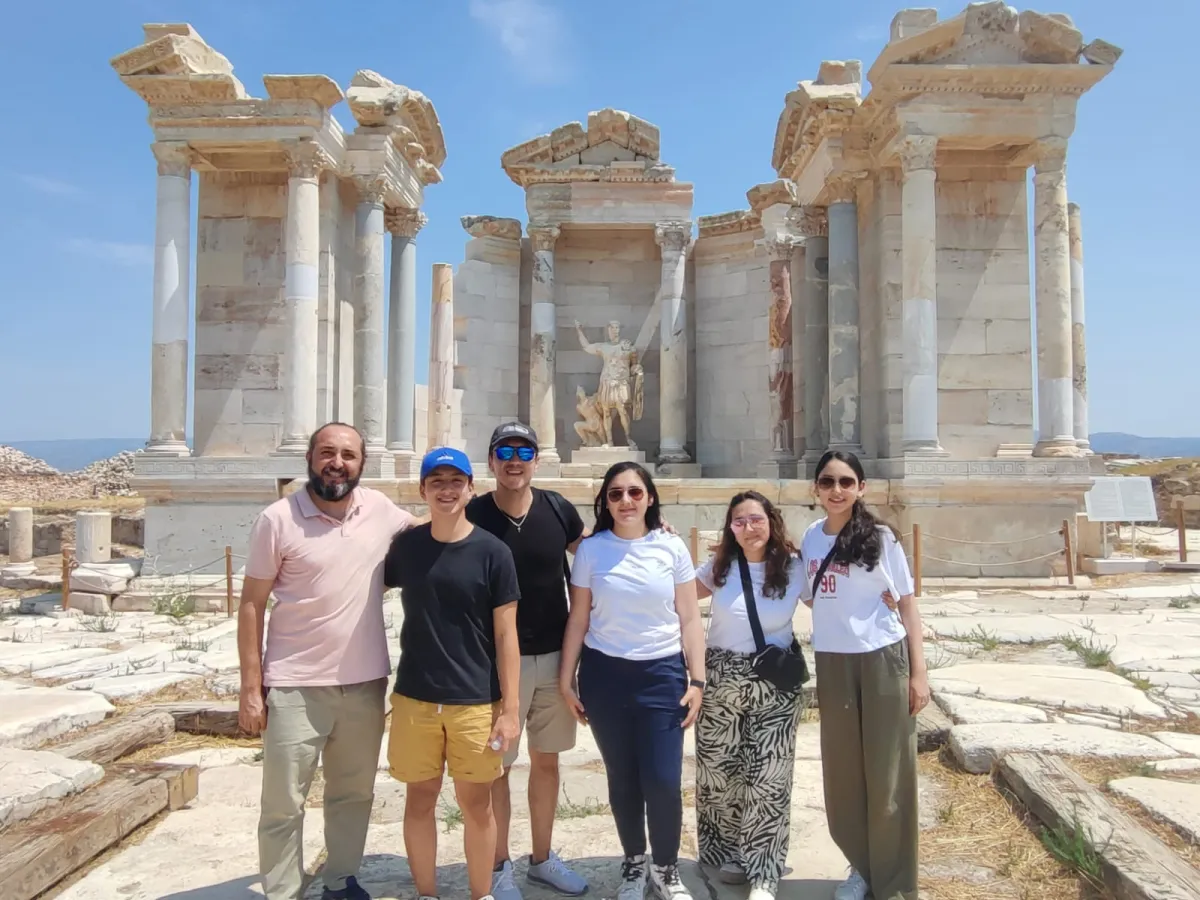


Dates for our 2026 Tour in the fall
September 21 to Oct 4, 2026
🌿 A Note from Your Host
This journey is lovingly hosted and locally led by believers in Yeshua,
and proudly brought to you by The Untethered Minimalist —
a movement devoted to living lightly, faithfully, and free.
📧 All emails and trip updates will come from:
[email protected]
Receipts of payment will come from:
[email protected]
Additional Archeology Tours we offer:
We will take you on an adventure through ancient lands and history.
These tours are more rigorous, so please inquire for more information
on the activity level.
Please email Kara for 2026 tours [email protected]
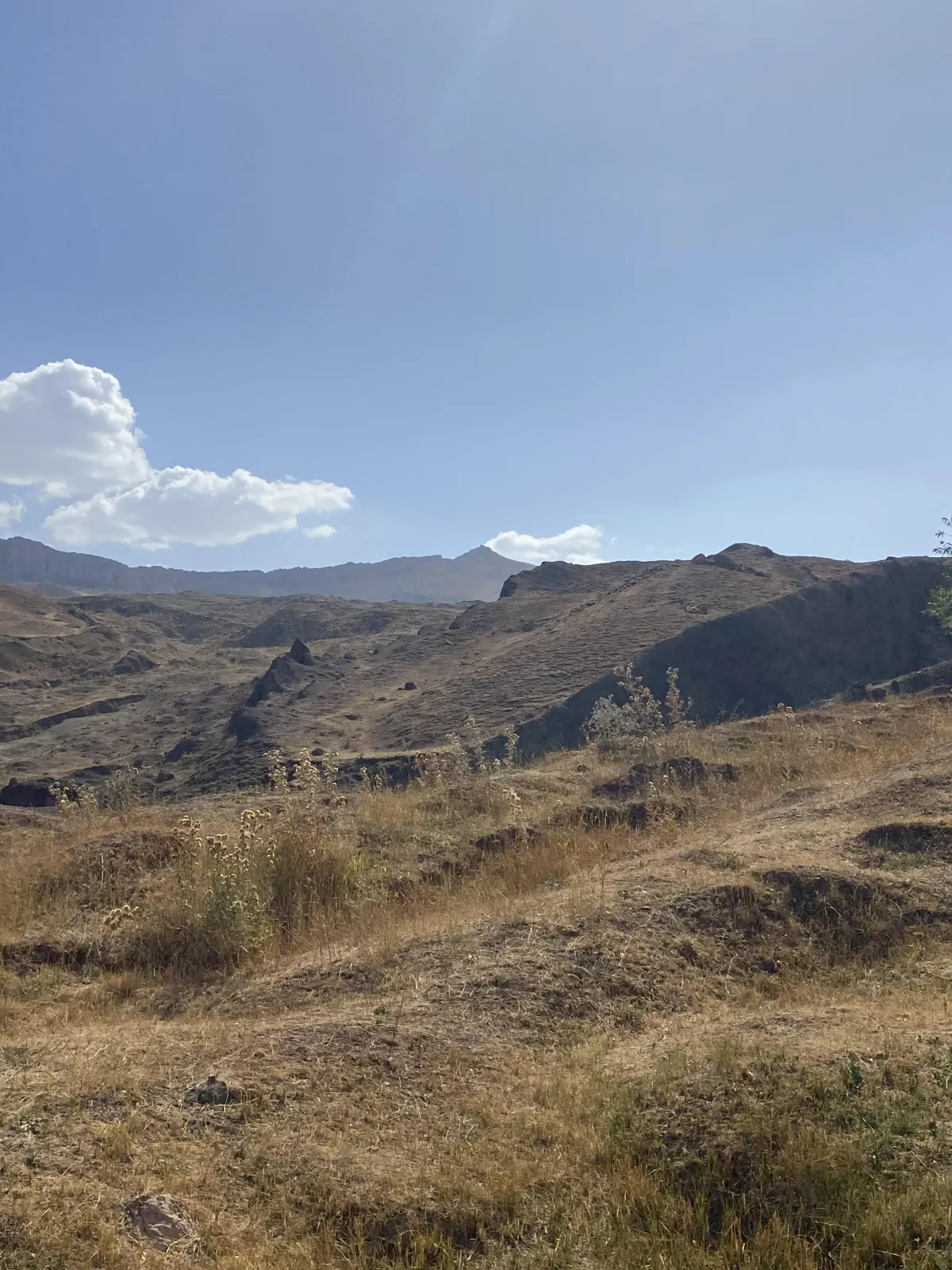
-Noah's Ark (possible resting spot of the Ark) in the region of Mount Ararat-Genesis 8:4-11
we partner with our dear friend Andrew Jones and the team on site. Discovered Media
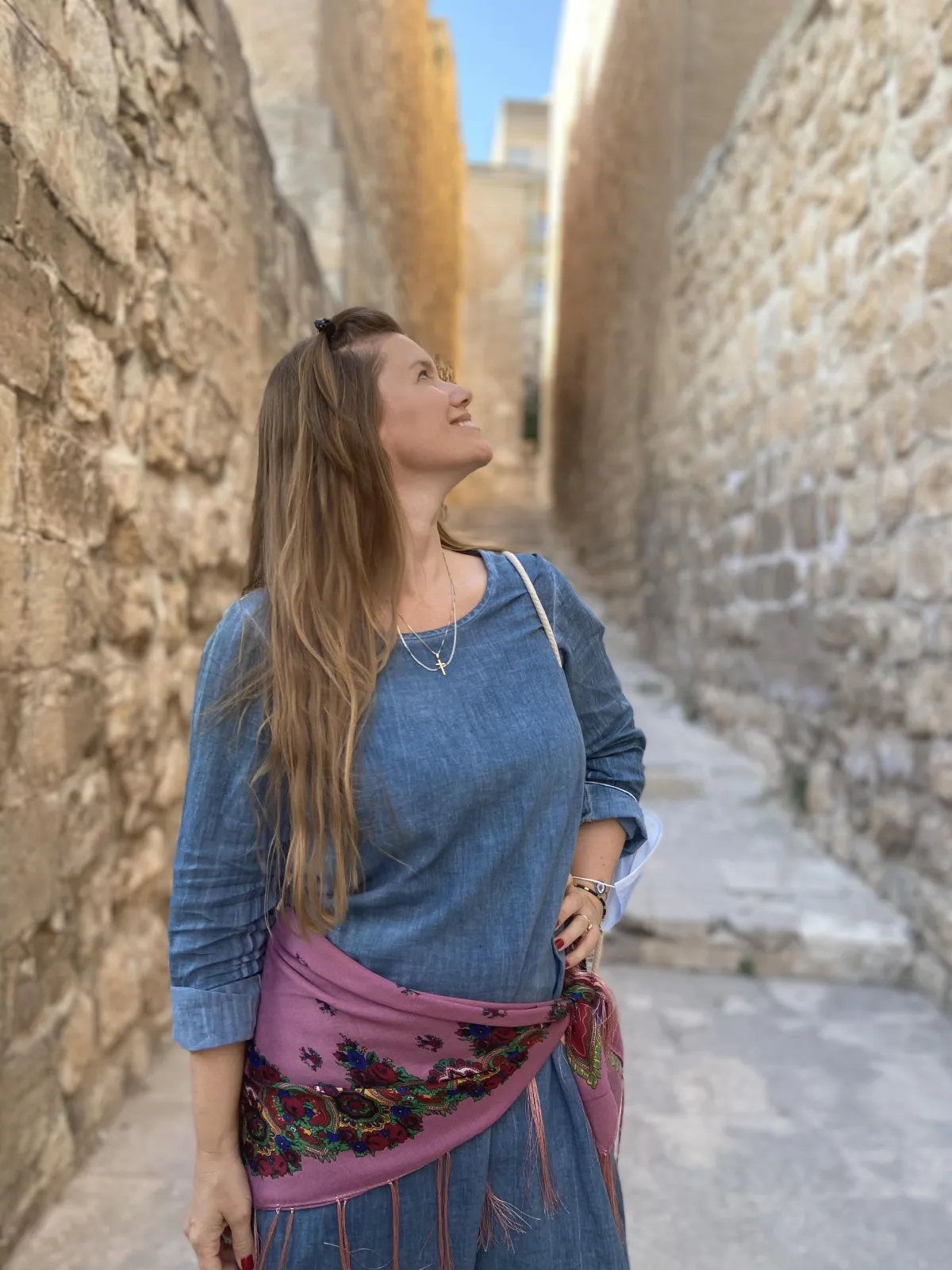
-Mardin- an ancient city that claims to date back to the time of Noah (it is south of the Mount Ararat region)
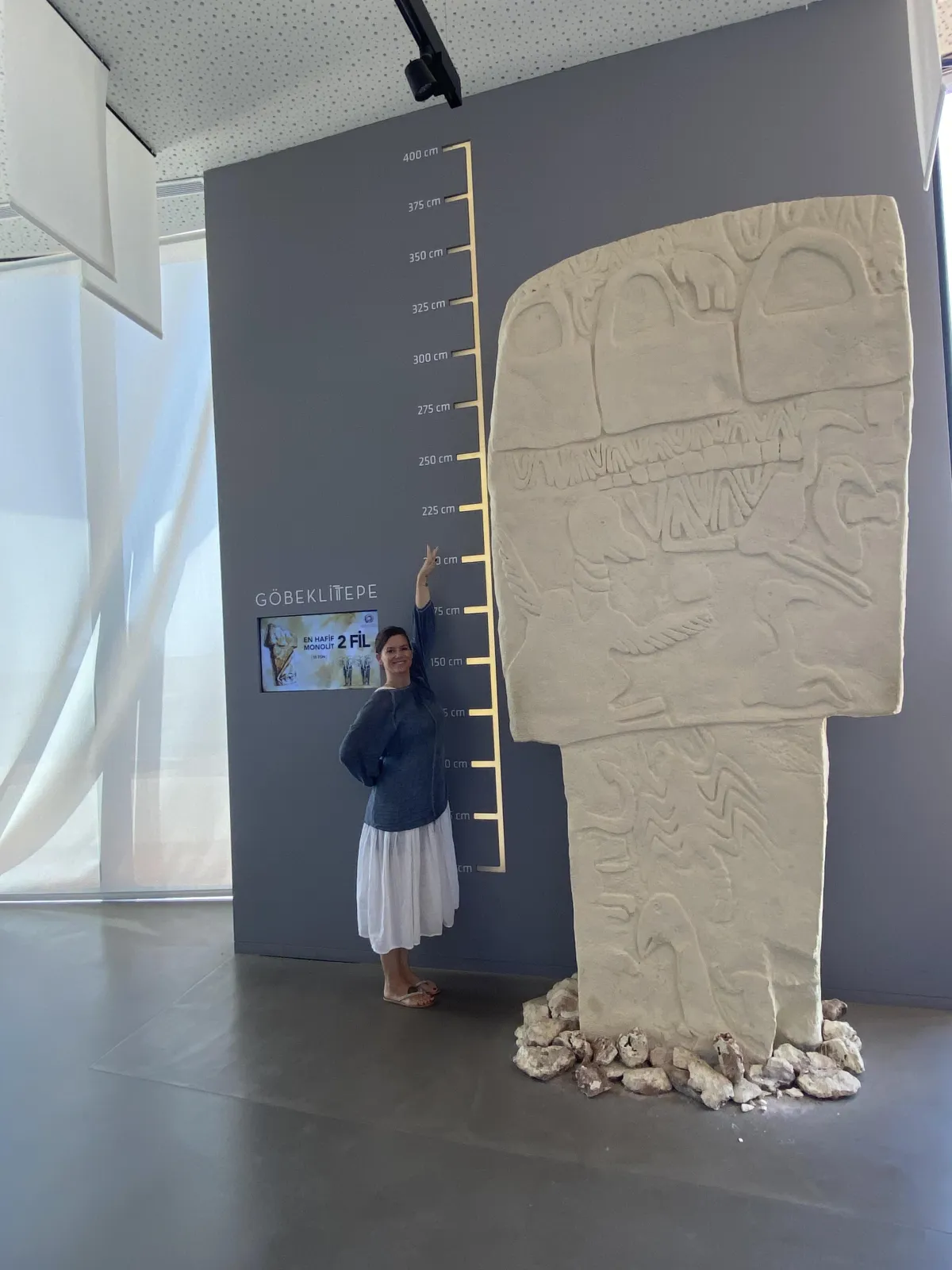
Gobekletepe- is a prehistoric area dating from the late 10th millennium BC to the 9th millennium BC.
Hosted by The Untethered Minimalist.com || ALL RIGHTS RESERVED || TERMS & CONDITIONS